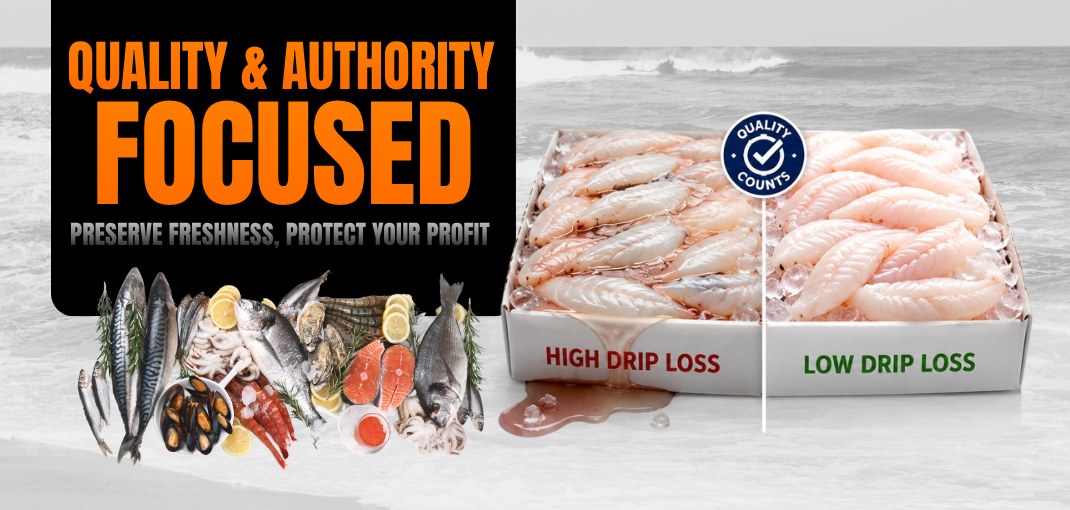
The global seafood industry depends heavily on product quality, shelf life, and customer satisfaction. Whether exporting salmon to Europe, shrimp to North America, tuna to Japan, or frozen fish fillets to the Middle East, seafood processors face a common challenge that directly affects profitability and market reputation: drip loss.
Many seafood exporters focus on processing efficiency, cold chain management, and regulatory compliance, yet overlook the significant impact that drip loss can have on product quality and customer perception. Excess liquid inside vacuum packages may seem like a minor issue, but it can lead to reduced product weight, lower yields, unattractive presentation, shortened shelf life, and dissatisfied customers.
As competition in the seafood export market continues to grow, processors must find ways to minimize product loss while delivering premium-quality seafood products that meet international buyer expectations. Modern vacuum packaging technology, including a high-performance vacuum sealer for fish packaging, has become one of the most effective solutions for controlling drip loss, extending shelf life, and protecting product quality throughout the supply chain.
This guide explores what drip loss is, why it occurs, how it affects seafood exports, and the strategies seafood processors can implement to reduce losses and improve customer satisfaction.
What Is Drip Loss?
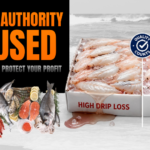
Drip loss refers to the release of water, proteins, minerals, and other natural fluids from seafood products during storage, transportation, freezing, thawing, or vacuum packaging.
Fresh fish naturally contains a high percentage of water within its muscle structure. During handling and processing, the muscle fibers can become damaged or weakened, causing moisture to escape from the tissue. This released liquid accumulates inside the package and is commonly referred to as drip.
Drip loss is particularly common in:
- Fish fillets
- Whole fish
- Shrimp
- Salmon
- Tuna
- Tilapia
- Cod
- Frozen seafood products
- Marinated seafood products
Although some moisture loss is unavoidable, excessive drip loss often indicates processing inefficiencies or packaging problems that should be addressed.
Why Drip Loss Matters in Seafood Exports
Unlike local seafood sales where products may reach consumers within a few days, export shipments often spend weeks in transportation and cold storage before arriving at their destination.
During this extended supply chain journey, even small amounts of moisture loss can accumulate and create significant quality concerns.
Export buyers expect seafood products to arrive with:
- Consistent weight
- Attractive appearance
- Fresh texture
- Proper color
- Extended shelf life
- Food safety compliance
When excessive drip loss occurs, these expectations become difficult to meet.
The Financial Impact of Drip Loss
One of the most overlooked consequences of drip loss is direct revenue loss.
Seafood exporters sell products by weight. Every gram of moisture lost during storage and transportation represents lost product value.
For example, a processor exporting thousands of kilograms of fish every month may experience substantial financial losses if each package loses only a small percentage of its original weight.
Over time, this can result in:
- Reduced profit margins
- Lower production yields
- Increased customer claims
- Product downgrades
- Shipment rejections
For seafood processors operating in highly competitive international markets, maintaining maximum product yield is essential for profitability.
How Drip Loss Affects Seafood Appearance
First impressions matter.
When distributors, retailers, or consumers open a carton of seafood products and notice excessive liquid inside the packages, it immediately creates concerns about freshness and quality.
Packages containing large amounts of liquid often appear:
- Less fresh
- Poorly processed
- Improperly stored
- Lower in quality
Even if the seafood remains safe to eat, customer perception can be negatively affected.
In retail environments, visual presentation plays a crucial role in purchasing decisions. Seafood products that look clean, fresh, and professionally packaged generally command higher prices and achieve better sales performance.
Reducing drip loss helps maintain a premium appearance that supports stronger brand positioning and customer confidence.
The Connection Between Drip Loss and Product Texture
Seafood texture is one of the most important quality indicators for buyers and consumers.
When fish loses excessive moisture, the muscle structure begins to deteriorate. This often results in:
- Dry texture
- Soft flesh
- Reduced firmness
- Lower eating quality
Many seafood importers evaluate products based on firmness and texture consistency.
A fish fillet that arrives with excessive drip loss may no longer meet customer specifications, even if it initially passed quality inspections at the processing plant.
By minimizing moisture loss, seafood processors can better preserve the natural texture characteristics that buyers expect.
Impact on Flavor and Eating Experience
Water within seafood muscle tissue contains important flavor compounds.
As moisture escapes from the product, some of these compounds are lost as well.
Excessive drip loss can contribute to:
- Reduced flavor intensity
- Altered mouthfeel
- Lower overall eating quality
Consumers purchasing premium seafood products expect a superior dining experience. When flavor and texture are compromised, customer satisfaction declines.
In competitive export markets, maintaining consistent product quality is critical for repeat business and long-term customer relationships.
Increased Risk of Customer Complaints
Importers, distributors, and retailers frequently monitor seafood shipments for quality issues.
One of the most common complaints involves excessive liquid inside vacuum-sealed packages.
Buyers may report:
- Product weight discrepancies
- Unattractive package appearance
- Quality concerns
- Texture issues
- Reduced shelf life
Repeated complaints can damage supplier relationships and make it difficult to secure future contracts.
Maintaining high packaging standards helps seafood exporters reduce complaints and strengthen customer trust.
Drip Loss and Shelf Life Reduction
Shelf life is a critical factor in seafood exports.
The presence of excess liquid inside packaging can create favorable conditions for microbial growth if temperature abuse occurs during transportation or storage.
While vacuum packaging significantly slows spoilage, excessive drip accumulation can still contribute to quality deterioration over time.
Potential consequences include:
- Faster spoilage
- Off odors
- Color changes
- Product rejection
Reducing drip loss supports better shelf life performance and helps maintain product quality throughout the distribution chain.
Common Causes of Drip Loss in Seafood Processing
Understanding the causes of drip loss is the first step toward reducing it.
Poor Raw Material Quality
The quality of seafood entering the processing facility has a major influence on moisture retention.
Fish that has been improperly handled, stressed before harvest, or stored incorrectly may already have weakened muscle structures.
These products are more likely to release moisture during packaging and storage.
Temperature Fluctuations
Inconsistent temperature control is a leading contributor to drip loss.
Repeated freezing and thawing cycles damage muscle fibers and increase moisture release.
Maintaining a stable cold chain from harvest through export is essential.
Improper Freezing Methods
Slow freezing creates large ice crystals that damage cellular structures within seafood products.
When the product thaws, these damaged cells release significant amounts of water.
Rapid freezing technologies help preserve tissue integrity and reduce moisture loss.
Excessive Handling
Frequent handling during processing can damage fish muscle tissue and increase drip formation.
Implementing efficient processing workflows reduces unnecessary product stress.
Inadequate Packaging Systems
Outdated or poorly designed packaging equipment may contribute to product damage and moisture loss.
Modern vacuum packaging systems are designed to minimize stress on seafood products while maximizing package integrity.
The Role of Vacuum Packaging in Reducing Drip Loss
Vacuum packaging has become one of the most effective methods for preserving seafood quality during export.
By removing oxygen from the package, vacuum packaging helps:
- Extend shelf life
- Reduce oxidation
- Improve product appearance
- Maintain freshness
- Protect flavor and texture
However, not all vacuum packaging systems perform equally.
Advanced packaging technologies can significantly improve moisture retention and overall product quality.
Why Packaging Equipment Matters
The quality of the packaging process directly affects final product performance.
Modern commercial vacuum packaging machines offer features specifically designed to address challenges associated with seafood products.
These may include:
- Controlled vacuum cycles
- Soft-air technology
- Precise sealing controls
- High-barrier packaging compatibility
- Consistent package integrity
When properly implemented, these technologies help minimize drip formation while protecting delicate seafood products.
How Introvac Supports Seafood Processors
At Introvac, we understand the unique challenges faced by seafood exporters and processors.
Seafood products require specialized packaging solutions capable of preserving freshness, maximizing yield, and maintaining export quality standards.
Introvac vacuum packaging systems are designed to help processors:
- Reduce drip loss
- Improve package presentation
- Maintain product weight
- Extend shelf life
- Enhance operational efficiency
- Support export compliance requirements
Whether processing fresh fish, frozen seafood, shrimp, salmon, tuna, or value-added seafood products, selecting the right packaging technology can have a measurable impact on profitability and customer satisfaction.
Best Practices for Minimizing Drip Loss
Reducing drip loss requires a combination of proper processing techniques and advanced packaging solutions.
Key best practices include:
Maintain Consistent Temperature Control
Strict temperature management throughout harvesting, processing, storage, and transportation helps preserve muscle structure and reduce moisture loss.
Use High-Quality Packaging Materials
High-barrier vacuum pouches and thermoforming films provide superior protection against moisture migration and oxygen exposure.
Optimize Vacuum Packaging Parameters
Adjusting vacuum levels and cycle settings according to product characteristics can significantly improve packaging performance.
Minimize Product Handling
Reducing unnecessary movement and processing steps helps preserve product integrity.
Invest in Modern Packaging Equipment
Advanced vacuum packaging systems provide greater consistency, improved seal quality, and better protection against moisture loss.
Building Long-Term Customer Trust
Customer satisfaction is built on consistency.
Importers and distributors want confidence that every shipment will meet their expectations for quality, appearance, weight, and shelf life.
Seafood processors who successfully control drip loss are better positioned to:
- Secure repeat business
- Strengthen buyer relationships
- Improve brand reputation
- Expand into new export markets
- Increase profitability
In today’s competitive seafood industry, even small improvements in packaging performance can create substantial advantages.
Conclusion
Drip loss is more than a packaging inconvenience, it is a critical factor influencing seafood export quality, profitability, and customer satisfaction.
Excess moisture loss can reduce product weight, negatively affect appearance, compromise texture, shorten shelf life, and increase customer complaints. For seafood exporters competing in global markets, these challenges can directly impact revenue and long-term business growth.
By implementing proper processing practices, maintaining strict temperature control, and investing in advanced vacuum packaging technology, seafood processors can significantly reduce drip loss and protect product quality throughout the supply chain.
Introvac is committed to helping seafood processors achieve higher yields, better product presentation, and improved export performance through reliable commercial vacuum packaging solutions designed for today’s demanding food processing industry.
When seafood quality matters, controlling drip loss is not just a processing goal, it is a competitive advantage.