Growth Fails Without the Right Systems
Every small food business starts with a simple goal produce good food, sell it locally, and grow step by step. But as demand increases, something interesting happens. It is not production that becomes the biggest challenge. It is not even marketing. In most cases, it is the lack of proper systems inside the production process, especially packaging.
Packaging is often treated as the final step in the workflow, but in reality, it plays a much bigger role. It directly affects product shelf life, hygiene, presentation, and ultimately customer trust. When packaging is inconsistent, even the best product can lose value in the market.
This is the story of how a small food business struggled with exactly this challenge and how the right packaging partner helped them move from operational stress to structured growth.
The Business: A Small Operation with Big Potential
The company in this case started as a family-run food business under the name Fresh Valley Foods. Their focus was on fresh meat products, marinated items, and ready-to-cook packaged goods. Initially, their operations were small and manageable. A basic setup with manual sealing machines and standard vacuum packaging tools was enough to handle local demand.
For a while, everything worked smoothly. Orders were limited, customers were nearby, and production cycles were predictable. But as the brand started gaining recognition in local markets and small retail stores, demand began to grow faster than their system could handle.
What seemed like a success story quickly turned into an operational challenge.
When Growth Starts Creating Pressure
As orders increased, the weaknesses in their packaging process started to become visible. The most critical issue was inconsistency. Some packages were perfectly sealed, while others had minor air leakage. In food packaging, even a small defect can reduce shelf life and affect product safety.
Another major challenge was production speed. Since most of the work depended on manual processes, the team had to rely heavily on labor. This created delays, especially during peak order times. The more they grew, the more pressure they faced to maintain output without compromising quality.
At the same time, product presentation also became a concern. In retail environments, appearance plays a major role in customer perception. Uneven sealing, irregular vacuum levels, and non-uniform packaging made their products look less professional compared to competitors who were using advanced machinery.
The business reached a point where growth itself started to feel like a problem rather than an opportunity.
The Real Problem Was Not Production – It Was Packaging
After several months of struggling with delays, returns, and rising labor costs, the business owners took a step back to analyze the situation. What they discovered was important: the issue was not their product or demand. The real bottleneck was their packaging system.
Their existing setup was not built for scaling. It was designed for small batches, not growing volumes. Every increase in orders meant additional labor, more time, and higher chances of error.
This realization shifted their mindset. Instead of continuously fixing short-term issues, they needed a long-term solution that could support growth without breaking the system.
This is when they started looking for a reliable packaging machinery partner.
Choosing the Right Partner: Why Introvac Entered the Picture
When businesses start searching for packaging machine suppliers, they often focus only on price. But Fresh Valley Foods approached it differently. Their focus was on reliability, long-term service, and scalability.
During their evaluation, they compared multiple suppliers, but most options either offered low-cost machines with limited support or high-end systems that were beyond their budget and operational needs.
What stood out about Introvac was not just the machinery, but the approach. Instead of pushing a standard solution, the focus was on understanding the business model, production volume, and growth direction.
For a small to medium-sized food business, this matters more than anything else. Machines can always be replaced, but system understanding and support cannot.
The Solution: Building a Scalable Packaging System
After a detailed review of their workflow, Introvac recommended upgrading their packaging setup with a more structured approach rather than a single machine replacement.
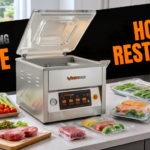
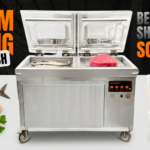
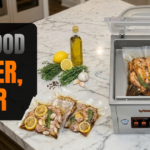
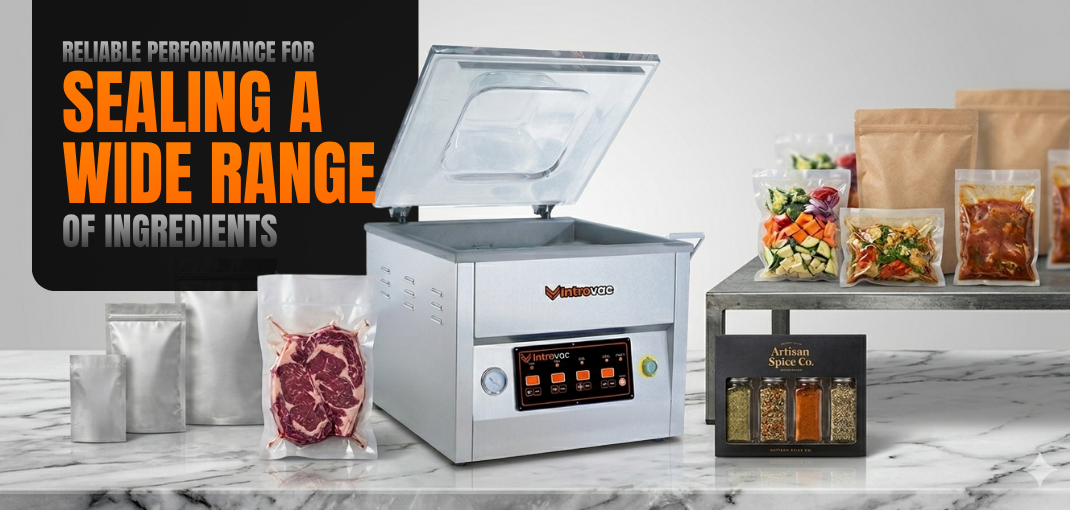
The first major step was introducing a chamber vacuum sealing system, which immediately improved packaging consistency. Unlike manual sealing, this system ensured that every package had a uniform vacuum level and strong sealing integrity. This eliminated one of the biggest issues they were facing product inconsistency.
Along with equipment upgrade, the workflow was also redesigned. Instead of a scattered process where each worker handled packaging differently, a structured production flow was introduced. This reduced confusion on the floor and improved overall efficiency.
Training also played an important role in this transition. The team was guided on how to operate the machines correctly, how to handle different types of food products, and how to maintain equipment for long-term performance. This step ensured that the technology was actually used to its full potential.
Finally, instead of focusing only on immediate needs, a long-term expansion plan was discussed. The idea was simple: build a system that does not just solve today’s problem, but also supports tomorrow’s growth.
The Transformation: What Changed After Implementation
The results of these changes were not immediate overnight miracles, but they were consistent and measurable.
One of the first improvements was production speed. With automated vacuum packaging, the business was able to significantly reduce packaging time. This meant more orders could be handled in less time without increasing workforce pressure.
Another major improvement was product shelf life. Vacuum sealing improved preservation, reduced spoilage, and allowed the business to expand distribution to slightly farther regions without worrying about quality loss during transit.
Operational costs also started to stabilize. While the initial investment in machinery required planning, the long-term savings in labor, product loss, and rework created a more balanced cost structure.
But perhaps the most important change was not operational it was psychological. The business owners were no longer constantly reacting to problems. Instead, they were planning growth.
What This Case Really Teaches Us
This case study highlights an important truth about food businesses: growth is not just about demand. It is about readiness.
Many small businesses delay upgrading their packaging systems because they see it as an expense rather than an investment. But in reality, outdated systems silently cost more over time through inefficiency, product loss, and missed opportunities.
Another key lesson is that choosing a supplier is not just a purchasing decision. It is a partnership decision. A good packaging partner does not only sell machines. They help design systems that can support long-term business growth.
Finally, standardization is what separates struggling businesses from scalable ones. Once processes become consistent, everything else quality, speed, and profitability starts improving naturally.
Conclusion: Scaling Requires the Right Foundation
The journey of Fresh Valley Foods is not unique. Many small and medium-sized food businesses go through the same cycle initial success, operational stress, and then a turning point where they must decide whether to continue struggling or build a stronger foundation.
In this case, the decision to upgrade packaging systems and work with a reliable partner made all the difference. It transformed their operations from reactive to structured and from limited to scalable.
At Introvac, this is exactly the goal not just to supply machines, but to help businesses build systems that support long-term success.
Because in the end, growth does not come from working harder. It comes from working with the right systems in place.