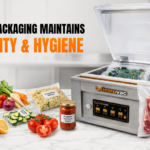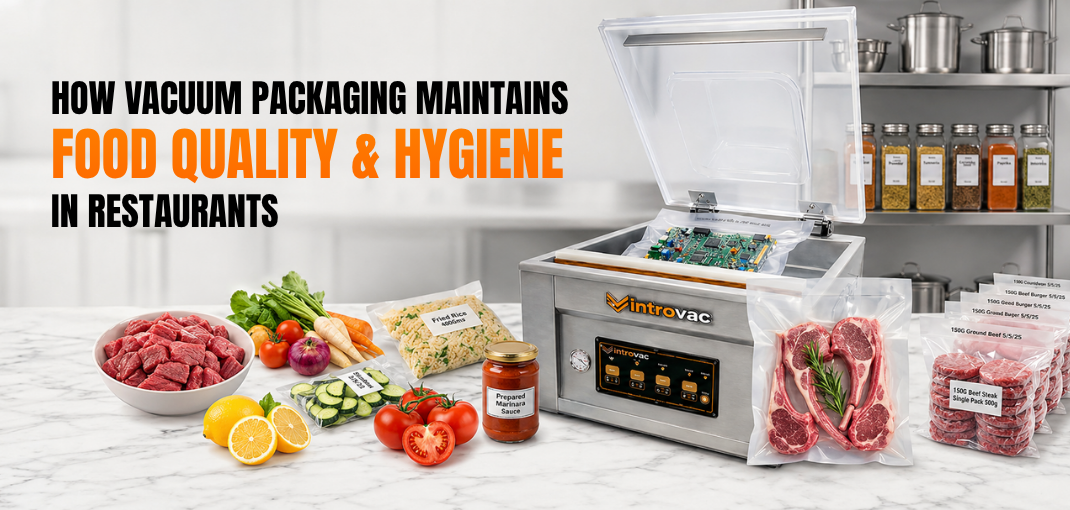
In the modern food service industry, restaurants are under constant pressure to deliver fresh, safe, and consistent-quality food while also reducing waste and maintaining profitability. Customers expect not only great taste but also strict hygiene standards behind every dish served. In this environment, vacuum sealing technology has become one of the most important tools for commercial kitchens.
From fine dining restaurants to fast-casual chains, vacuum sealing is transforming how food is stored, preserved, and prepared. It is no longer just a packaging method it is a complete food quality management solution.
In this blog, we will explore in detail how restaurant vacuum sealers help maintain food quality and hygiene standards, why they are becoming essential in modern kitchens, and how businesses can benefit from integrating this technology.
Understanding Vacuum Sealing in Restaurant Operations
Vacuum sealing is a process in which air is removed from a package before it is sealed. By eliminating oxygen, the growth of bacteria, mold, and other microorganisms is significantly slowed down. This helps preserve food for longer periods while maintaining its original texture, flavor, and nutritional value.
In a restaurant environment, a commercial vacuum sealer is used to store a wide range of food items such as:
- Raw meats (beef, chicken, lamb, seafood)
- Prepared sauces and marinades
- Pre-cooked meal components
- Dairy products
- Vegetables and fruits
- Portion-controlled ingredients for batch cooking
Unlike traditional storage methods, vacuum sealing creates a controlled environment that protects food from contamination and spoilage.
Why Food Quality and Hygiene Matter More Than Ever
Before understanding the benefits of vacuum sealing, it is important to recognize why food quality and hygiene are critical in today’s restaurant industry.
1. Increasing Customer Expectations
Customers today are more aware of food safety than ever before. They expect restaurants to maintain strict hygiene practices behind the scenes, even if they don’t see them directly.
2. Regulatory Compliance
Health departments and food safety authorities enforce strict guidelines such as HACCP (Hazard Analysis and Critical Control Points). Restaurants must comply with these standards to avoid penalties or closures.
3. Brand Reputation
A single hygiene-related issue can damage a restaurant’s reputation permanently. Online reviews and social media amplify even minor mistakes.
4. Rising Food Costs
Food waste directly impacts profitability. Poor storage leads to spoilage, which increases operational costs.
Vacuum sealing directly addresses all of these challenges.
How Vacuum Sealing Improves Food Quality in Restaurants
1. Extends Shelf Life Without Chemicals
One of the biggest advantages of vacuum sealing is its ability to extend the shelf life of food naturally. By removing oxygen, the primary cause of spoilage is reduced significantly.
For example:
- Fresh meat can last 2–3 times longer
- Prepared sauces stay fresh without preservatives
- Vegetables retain texture and color longer
This means restaurants can prepare ingredients in advance without worrying about rapid spoilage.
2. Preserves Flavor, Texture, and Nutrition
Traditional storage methods often lead to moisture loss and flavor degradation. Vacuum sealing locks in natural juices and prevents oxidation.
This is especially important for:
- Marinated meats
- Sous vide cooking preparations
- Specialty sauces and gravies
As a result, when food is finally cooked or served, it tastes fresher and more consistent.
3. Reduces Cross-Contamination Risks
Cross-contamination is one of the biggest hygiene risks in restaurant kitchens. Raw and cooked foods often share storage spaces, increasing the risk of bacterial transfer.
Vacuum sealing eliminates this issue by:
- Separating food into airtight packages
- Preventing leakage between items
- Reducing exposure to external contaminants
This makes kitchen operations significantly safer.
4. Improves Temperature Control in Storage
Vacuum-sealed food cools and freezes more evenly compared to unsealed items. This reduces the formation of ice crystals, which can damage food structure.
In cold storage environments, this helps:
- Maintain consistent freezing quality
- Reduce freezer burn
- Improve thawing performance
How Vacuum Sealing Enhances Hygiene Standards in Restaurants
Hygiene is not just about cleanliness it is about controlling every stage of food handling. Vacuum sealing plays a major role in improving hygiene practices across restaurant operations.
1. Minimizes Human Contact With Food
Every time food is handled, there is a risk of contamination. Vacuum sealing reduces direct handling by allowing chefs to:
- Pre-portion ingredients
- Seal food immediately after preparation
- Store food without repeated exposure
This reduces contamination risks significantly.
2. Creates a Controlled Storage Environment
Unlike open containers or plastic wraps, vacuum-sealed packages create a sealed environment where external contaminants cannot enter. This includes:
- Dust particles
- Airborne bacteria
- Moisture contamination
- Odors from other foods
This controlled environment ensures higher hygiene compliance.
3. Supports HACCP and Food Safety Standards
Most modern restaurants follow HACCP guidelines to identify and control food safety risks. Vacuum sealing supports this system by:
- Reducing critical control point risks
- Improving traceability of stored food
- Ensuring consistent storage practices
It becomes easier for restaurants to pass inspections and audits.
4. Reduces Pest Attraction
Open food containers attract pests such as insects and rodents. Vacuum sealing removes this risk completely by making food inaccessible and odor-free to pests.
Operational Benefits Beyond Hygiene and Quality
While hygiene and food quality are the main benefits, vacuum sealing also improves overall restaurant operations.
1. Efficient Kitchen Workflow
Restaurants often struggle with peak-hour pressure. Vacuum sealing allows kitchens to:
- Pre-prepare ingredients
- Store ready-to-use portions
- Reduce cooking time during service hours
This improves speed and efficiency during busy hours.
2. Better Inventory Management
Vacuum sealing allows restaurants to store food in clearly labeled, portion-controlled packs. This helps in:
- Tracking inventory more accurately
- Reducing over-ordering
- Minimizing waste
3. Significant Cost Savings
Food waste is one of the biggest hidden costs in restaurants. Vacuum sealing reduces waste by extending shelf life and improving storage efficiency.
Over time, this results in:
- Lower raw material loss
- Better profit margins
- Reduced purchasing frequency
4. Consistency in Food Quality
Consistency is key in restaurant success. Vacuum sealing ensures that every portion of food is stored in the same condition, leading to:
- Uniform taste and texture
- Standardized cooking results
- Better customer satisfaction
Applications of Vacuum Sealers in Restaurants
Vacuum sealers are not limited to storage alone. They are used in various stages of restaurant operations:
1. Pre-preparation (Prep Kitchen)
Ingredients are portioned and sealed in advance for faster cooking.
2. Sous Vide Cooking
Vacuum-sealed food is cooked in water baths at controlled temperatures for precision results.
3. Bulk Storage
Restaurants store large quantities of meat, seafood, and vegetables safely.
4. Delivery and Catering
Vacuum sealing ensures food remains fresh during transportation.
Common Mistakes Restaurants Make Without Vacuum Sealing
Restaurants that do not use vacuum sealing often face challenges such as:
- Rapid food spoilage
- Inconsistent food quality
- Higher food waste
- Hygiene compliance issues
- Increased operational costs
These problems directly impact customer satisfaction and profitability.
Why Commercial Vacuum Sealers Are a Smart Investment
Investing in a restaurant vacuum sealer is not just about convenience it is about long-term business efficiency.
A high-quality commercial system ensures:
- Better hygiene control
- Improved food quality
- Reduced operational waste
- Stronger regulatory compliance
For growing restaurants, this becomes a strategic investment rather than an optional tool.
Introvac Perspective: Engineering Hygiene and Quality
At Introvac, we understand the real challenges faced by restaurants and commercial kitchens. Food safety, consistency, and efficiency are not optional they are essential for survival in a competitive industry.
Modern vacuum sealing systems are designed to support:
- High-volume restaurant operations
- Strict hygiene requirements
- Long production cycles
- Reliable food preservation
By integrating advanced vacuum packaging solutions, restaurants can significantly improve both operational control and food safety standards.
Final Thoughts
Vacuum sealing has evolved from a simple storage method into a critical food safety and quality management system for restaurants. It helps maintain freshness, reduce contamination risks, improve operational efficiency, and ensure compliance with hygiene standards.
In a time where customers demand both quality and safety, adopting vacuum sealing technology is no longer optional it is essential.
Restaurants that invest in modern vacuum sealing systems position themselves for:
- Better food quality
- Stronger brand reputation
- Lower operational costs
- Higher customer trust
Ultimately, maintaining food quality and hygiene is not just about following rules it is about building a sustainable and successful food business.