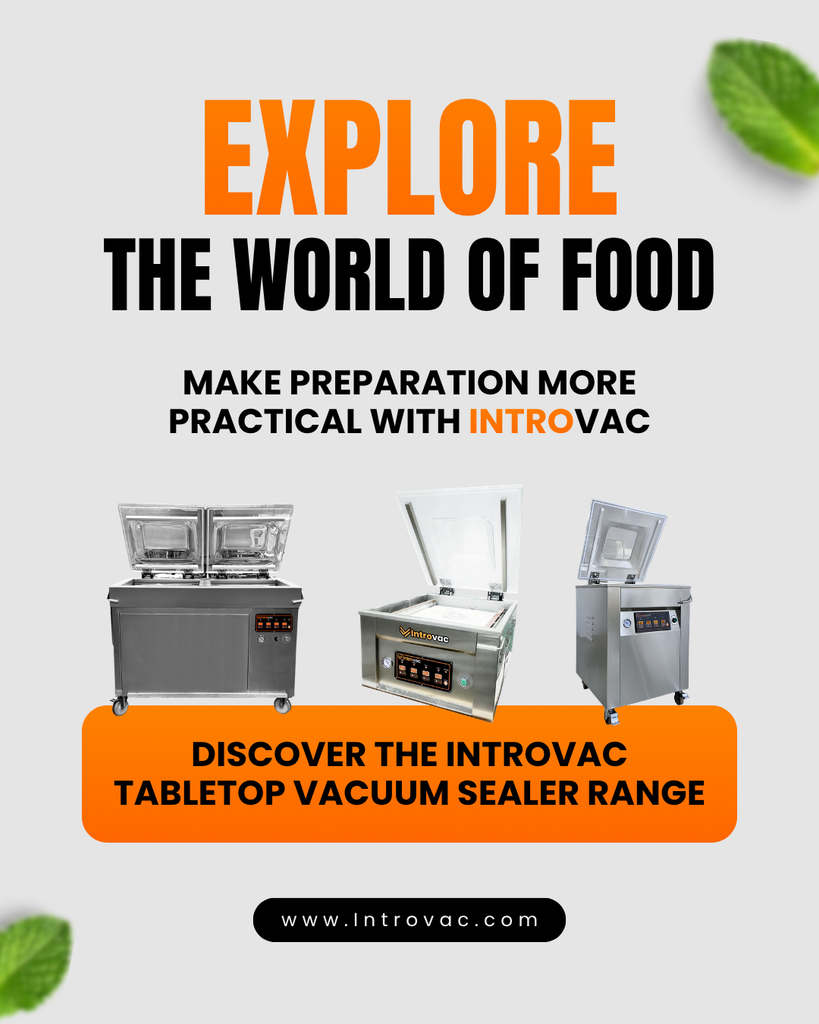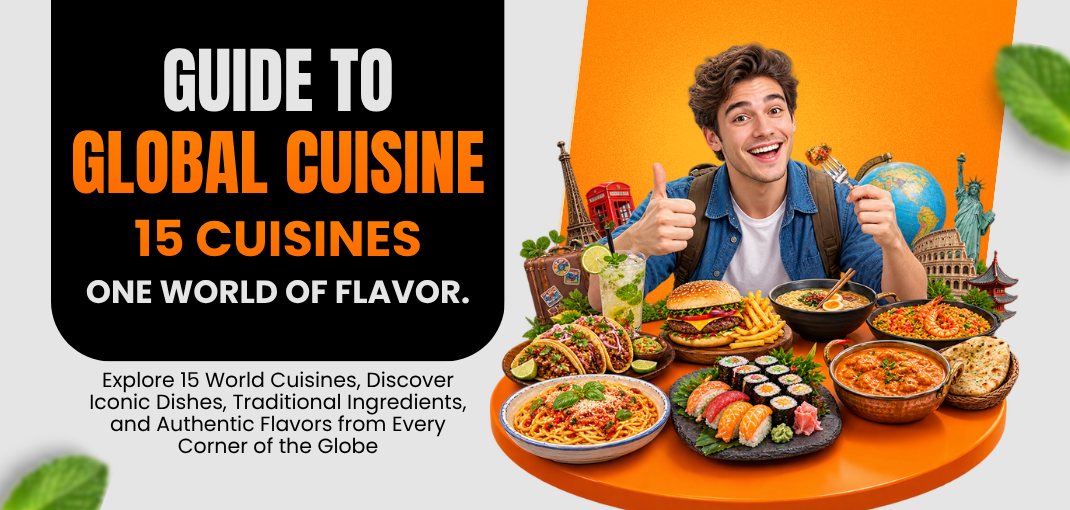
Discover 15 delicious cuisines from around the world, learn about their signature dishes and ingredients, and explore practical food-preparation and storage tips with Introvac Tabletop Vacuum Sealers.
Food has a remarkable way of connecting people to different places and cultures. A bowl of Vietnamese pho, a plate of Italian pasta, a traditional Indian curry, or freshly prepared Mexican tacos can tell a story about local ingredients, family traditions, and generations of cooking knowledge.
You do not need to travel across the world to experience these flavors. With the right ingredients, a little preparation, and a willingness to try something new, your kitchen can become a place to explore international cuisine.
From familiar comfort foods to dishes you may have never prepared before, this guide introduces 15 cuisines worth discovering. Along the way, you will find practical ideas for organizing ingredients, preparing meals ahead of time, and making food storage more manageable with a tabletop vacuum sealer.
Whether you enjoy cooking for your family, preparing meals for the week, or experimenting with recipes on weekends, there is something here to inspire your next meal.
What Is Global Cuisine?
Global cuisine refers to the wide variety of culinary traditions found around the world. Every region has its own ingredients, cooking techniques, flavor combinations, and food customs, often shaped by its climate, geography, history, and cultural influences.
Some cuisines emphasize fresh herbs and citrus. Others are known for slow-cooked sauces, aromatic spices, grilled meats, fermented ingredients, or carefully prepared seafood. Even dishes that share similar ingredients can taste completely different depending on how they are seasoned and cooked.
Exploring international cuisine is not simply about following recipes. It is also about understanding how ingredients work together and discovering new ways to prepare everyday meals.
For home cooks, this can be as simple as adding Thai-inspired flavors to a weeknight dinner, preparing an Indian marinade before a barbecue, or organizing ingredients for a Japanese-inspired meal.
Good preparation makes these experiences easier. Planning your ingredients, dividing them into useful portions, and storing them correctly can reduce last-minute work and help you make better use of the food you buy.
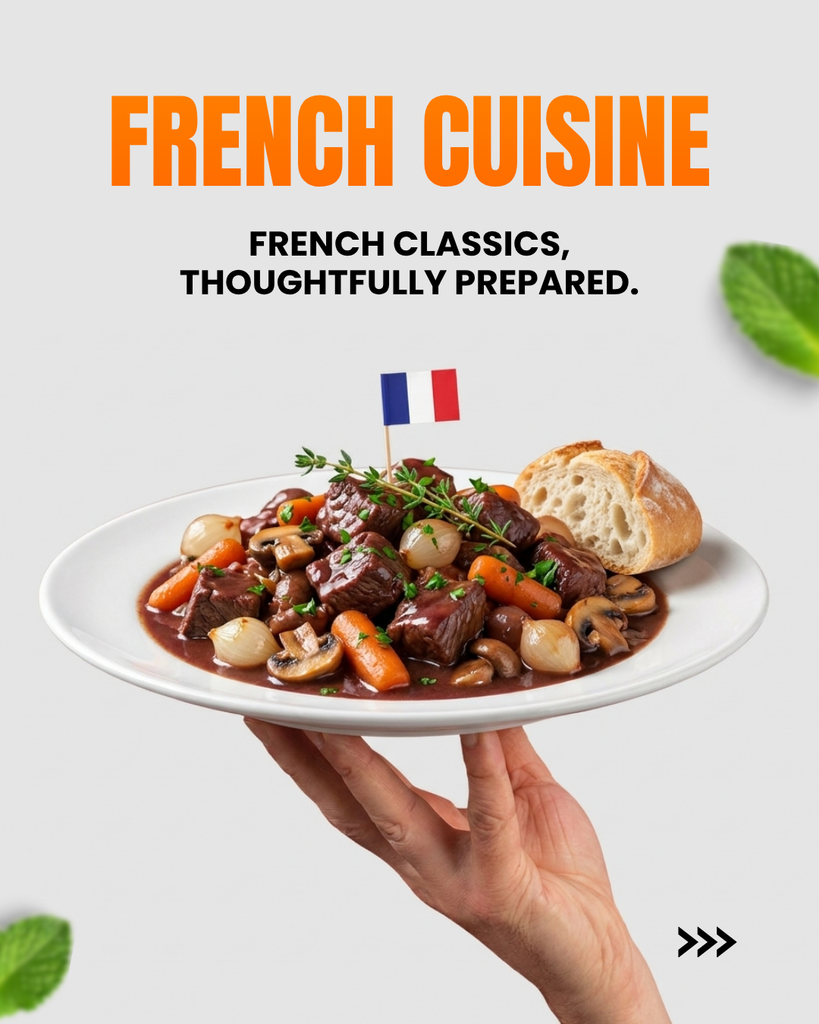
1. French Cuisine: Classic Techniques and Rich Flavors
French cuisine is celebrated for its attention to technique, balanced flavors, and thoughtful presentation. From rustic countryside dishes to refined restaurant meals, French cooking covers a broad range of styles.
Popular dishes include beef bourguignon, ratatouille, coq au vin, French onion soup, quiche Lorraine, and a variety of breads and pastries. Ingredients such as butter, fresh herbs, cheese, wine, garlic, and seasonal vegetables play important roles in many traditional recipes.
One reason French food appeals to home cooks is its focus on building flavor gradually. A good sauce, for example, may begin with sautéed vegetables, aromatics, and stock before being simmered until the flavors come together.
How to prepare for French cooking at home
Start by choosing a recipe and gathering the ingredients before you begin. Chop vegetables, measure seasonings, and prepare herbs in advance. For recipes that require marinating meat, prepare the marinade according to the recipe and keep the meat refrigerated during the process.
If you are planning several meals, divide suitable ingredients into portions before storing them. A tabletop vacuum sealer can help package compatible solid ingredients or prepared portions for refrigerated or frozen storage.
This approach is particularly useful when buying ingredients in larger quantities or preparing meals for more than one day.
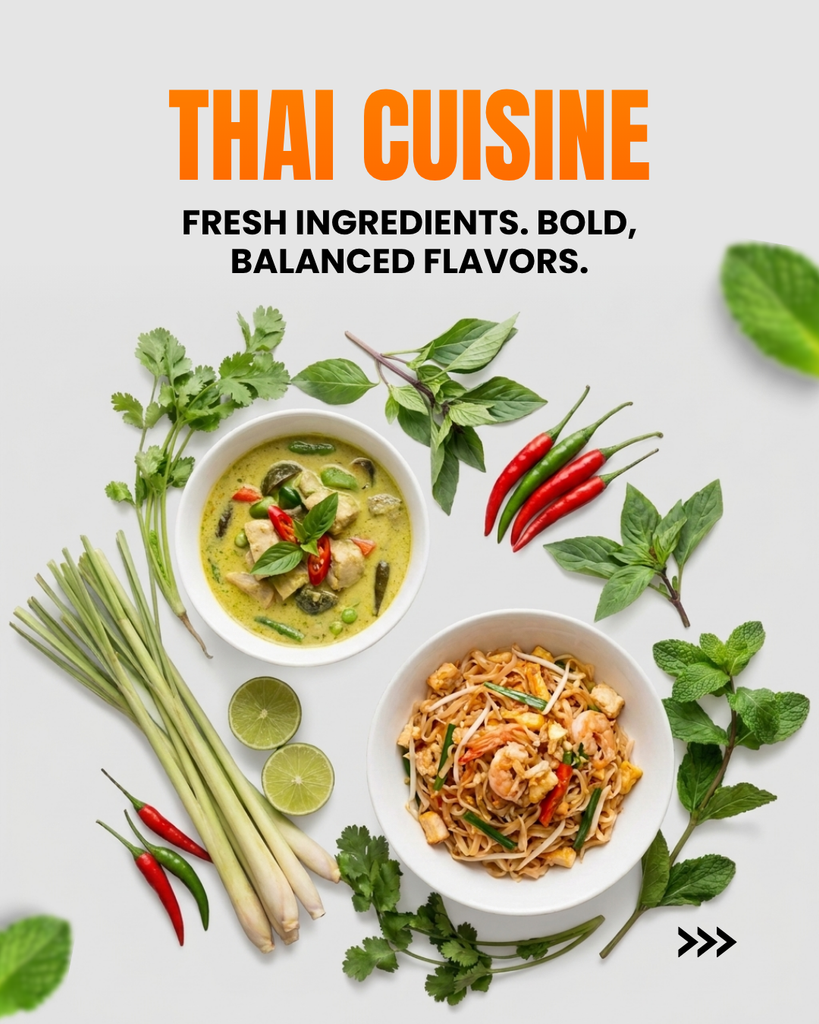
2. Thai Cuisine: Fresh Herbs, Heat, and Balance
Thai cuisine is known for combining several flavors in a single dish. Sweetness, acidity, saltiness, heat, and savory depth can all contribute to a balanced meal.
Common ingredients include lemongrass, galangal, lime, chilies, fish sauce, coconut milk, basil, and fresh coriander. Popular dishes include pad Thai, green curry, tom yum soup, som tam, and Thai basil stir-fry.
Thai cooking often depends on the freshness and timing of its ingredients. Aromatic herbs may be added at different stages, while lime juice and fresh garnishes can provide brightness just before serving.
How to prepare for Thai dishes
Before cooking, separate the ingredients according to when they will be needed. Prepare your aromatics, portion your protein, and wash herbs and vegetables. Keep ingredients that need refrigeration chilled until you are ready to use them.
If you regularly prepare Thai curry or stir-fry, organizing ingredients into recipe-sized portions can save time on busy evenings.
A vacuum sealer may help package suitable solid ingredients or prepared portions for storage. However, delicate herbs, soft produce, and liquid-rich ingredients may need different packaging methods to avoid crushing, leakage, or poor sealing.
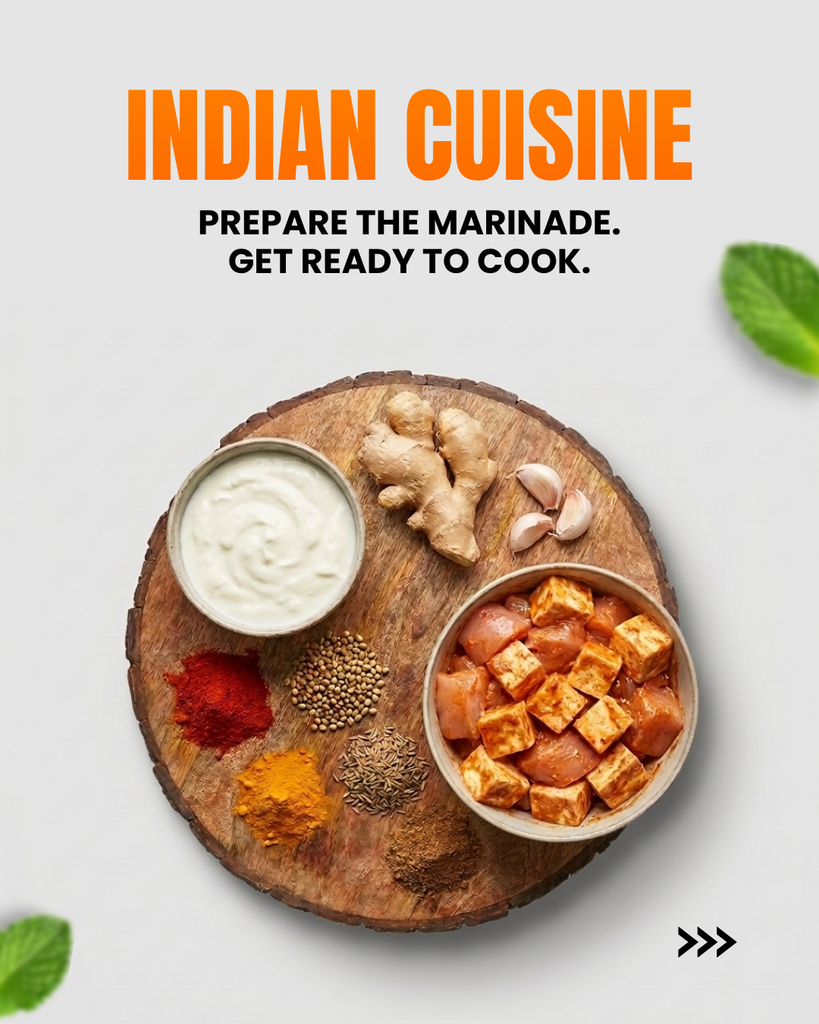
3. Indian Cuisine: Layers of Spice and Regional Variety
Indian cuisine includes an extraordinary range of regional traditions. Northern Indian dishes may feature rich gravies, breads, and tandoori cooking, while southern Indian cooking is well known for dishes involving rice, lentils, coconut, curry leaves, and tamarind.
Popular foods include biryani, butter chicken, dal, dosa, chana masala, kebabs, and a wide variety of vegetable curries. Spices such as cumin, coriander, turmeric, cardamom, cloves, and garam masala contribute distinctive aromas and flavors.
The key to many Indian recipes is not simply adding spices but understanding when to use them. Whole spices may be toasted or bloomed in oil, while ground spices are often added at specific stages to build the flavor of a dish.
How to prepare Indian meals more efficiently
Marination is an important part of many recipes, including tikka-style preparations and certain kebabs. Combine the ingredients according to your chosen recipe, then keep the food refrigerated for the recommended marinating time.
Preparing spice blends in advance can also make cooking easier. Store dry spices in airtight containers away from heat, moisture, and direct sunlight.
For suitable meat portions, vacuum sealing can help reduce exposure to air during refrigerated or frozen storage. Use food-safe pouches compatible with your machine, and always follow safe handling and temperature guidelines. Vacuum sealing does not replace refrigeration or make raw meat safe to leave at room temperature.
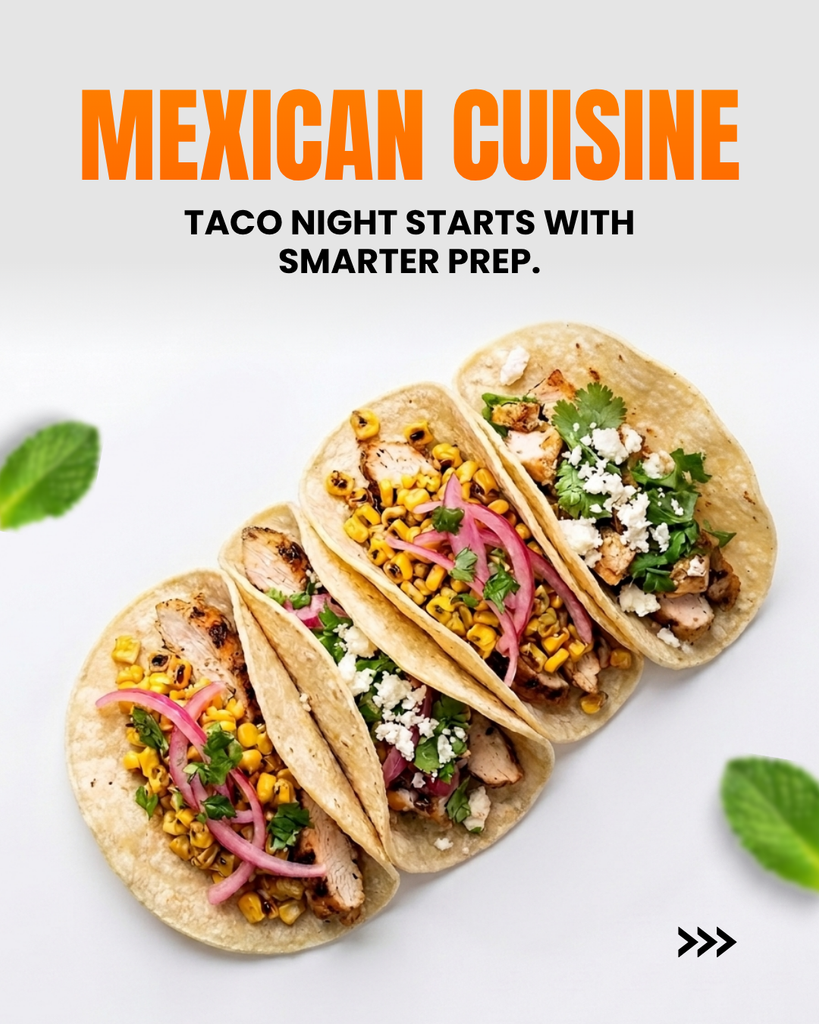
4. Mexican Cuisine: Colorful Ingredients and Bold Combinations
Mexican cuisine brings together indigenous culinary traditions and influences developed over centuries. Corn, beans, chilies, tomatoes, squash, avocados, and a wide range of herbs and spices are important in many regional dishes.
Tacos, enchiladas, tamales, pozole, quesadillas, and mole are just a few examples of the country’s diverse food culture. The flavors can range from bright and fresh to smoky, earthy, and deeply savory.
Tacos are especially adaptable for home cooking. You can prepare different fillings, add fresh toppings, and allow everyone at the table to assemble their own meal.
How to prepare a Mexican-inspired meal
Prepare your toppings before cooking the main filling. Slice vegetables, wash herbs, portion cheese, and arrange sauces in separate containers.
If you are making a large batch of taco filling, divide the cooked food into shallow containers for prompt cooling and refrigerate or freeze it according to food-safety guidance. Use suitable containers or pouches designed for the storage method you choose.
Introvac Tabletop Vacuum Sealers can be useful when packaging compatible solid ingredients or appropriately cooled portions. Keep wet salsa, sauces, and other liquid-rich foods in suitable containers rather than placing them directly into a vacuum pouch unless your machine and packaging are specifically designed to handle them safely.
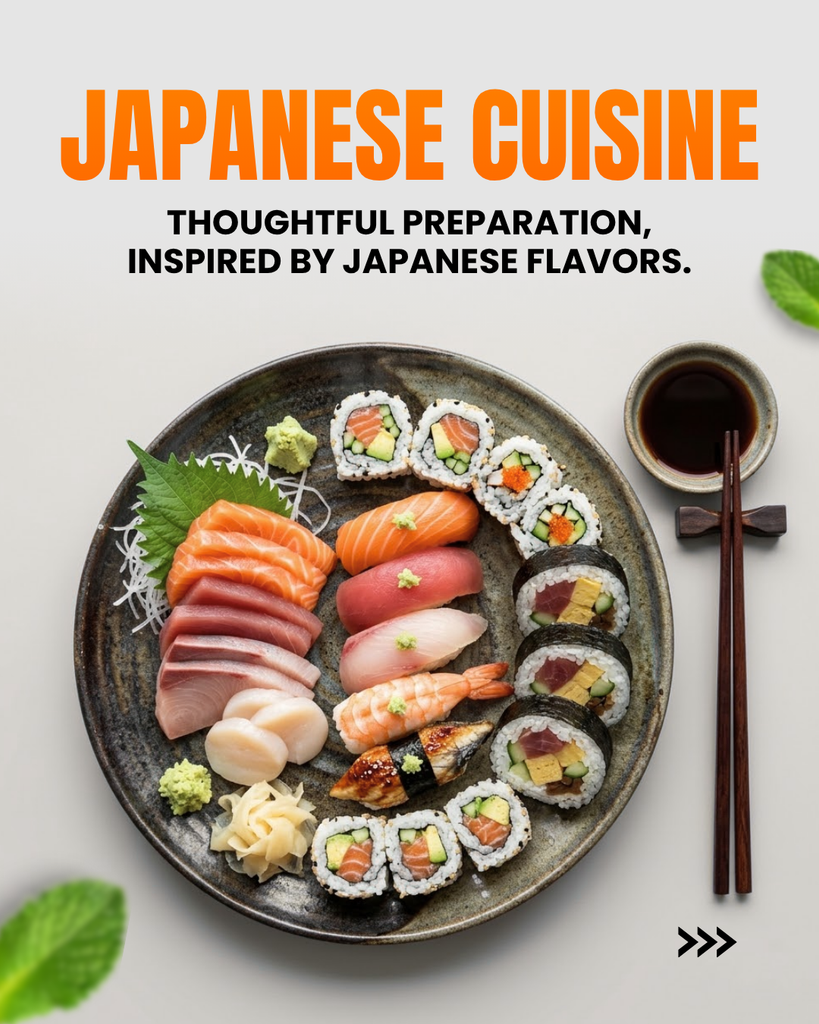
5. Japanese Cuisine: Simplicity, Seasonality, and Presentation
Japanese cuisine often emphasizes seasonal ingredients, careful preparation, and balance. Presentation can be just as important as flavor, with attention given to color, texture, portion size, and the way food is arranged.
Popular dishes include sushi, ramen, tempura, udon, yakitori, miso soup, and teriyaki. Rice, seafood, soy-based seasonings, seaweed, mushrooms, and seasonal vegetables appear in many Japanese meals.
Although sushi is one of the best-known Japanese foods internationally, Japanese cuisine is far more varied than raw fish and rice. Home cooks can explore everything from simple rice bowls to noodle soups and grilled dishes.
How to prepare Japanese-inspired meals at home
Start by organizing your ingredients. Prepare rice according to the recipe, measure seasonings, and portion vegetables and other ingredients before cooking. For sushi, pay particular attention to ingredient quality, hygiene, and the safe handling of any seafood.
Vacuum sealing is not a substitute for the temperature control and handling practices required for raw fish. If you are storing seafood, follow reputable food-safety guidance and use appropriate refrigeration or freezing procedures.
For other suitable ingredients, such as certain solid portions of cooked food or ingredients intended for later preparation, a tabletop vacuum sealer may help create compact packages and organize storage.
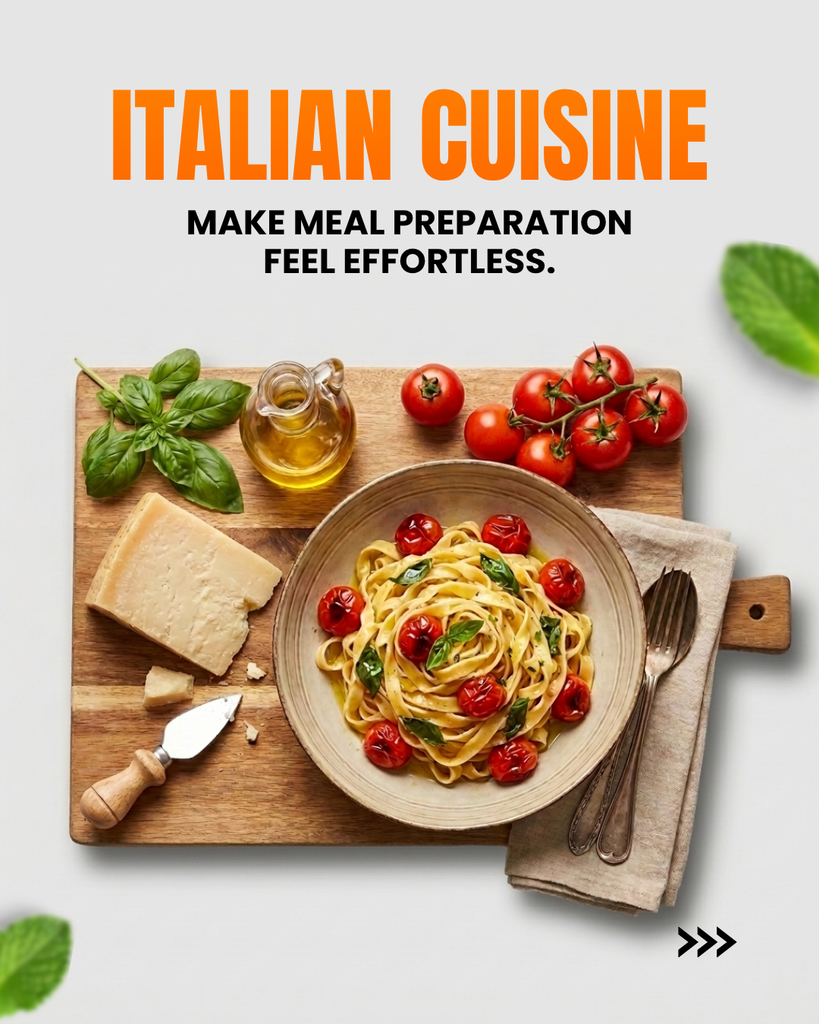
6. Italian Cuisine: Simple Ingredients, Beautiful Results
Italian cuisine is a favorite around the world because it demonstrates how a small number of good ingredients can create satisfying meals. Regional cooking traditions vary widely, from northern dishes featuring risotto and polenta to southern recipes built around tomatoes, olive oil, seafood, and pasta.
Popular dishes include spaghetti carbonara, lasagna, risotto, pizza, pesto pasta, minestrone, and tiramisu.
Fresh basil, olive oil, garlic, tomatoes, cheeses, vegetables, and pasta are staples in many Italian kitchens. The quality and preparation of these ingredients often matter more than using a long list of seasonings.
How to make Italian meal preparation easier
Prepare vegetables, grate suitable cheese, and measure ingredients before cooking. If you make pesto or another sauce in advance, store it in an appropriate airtight container and follow safe refrigeration guidance.
For busy households, preparing components ahead of time can make weeknight dinners much easier. You might portion ingredients for pasta dishes or prepare a batch of a suitable filling for later use.
Introvac Tabletop Vacuum Sealers can help package compatible solid ingredients and appropriately cooled portions. For cooked foods, always cool and store them safely rather than leaving them at room temperature for extended periods.
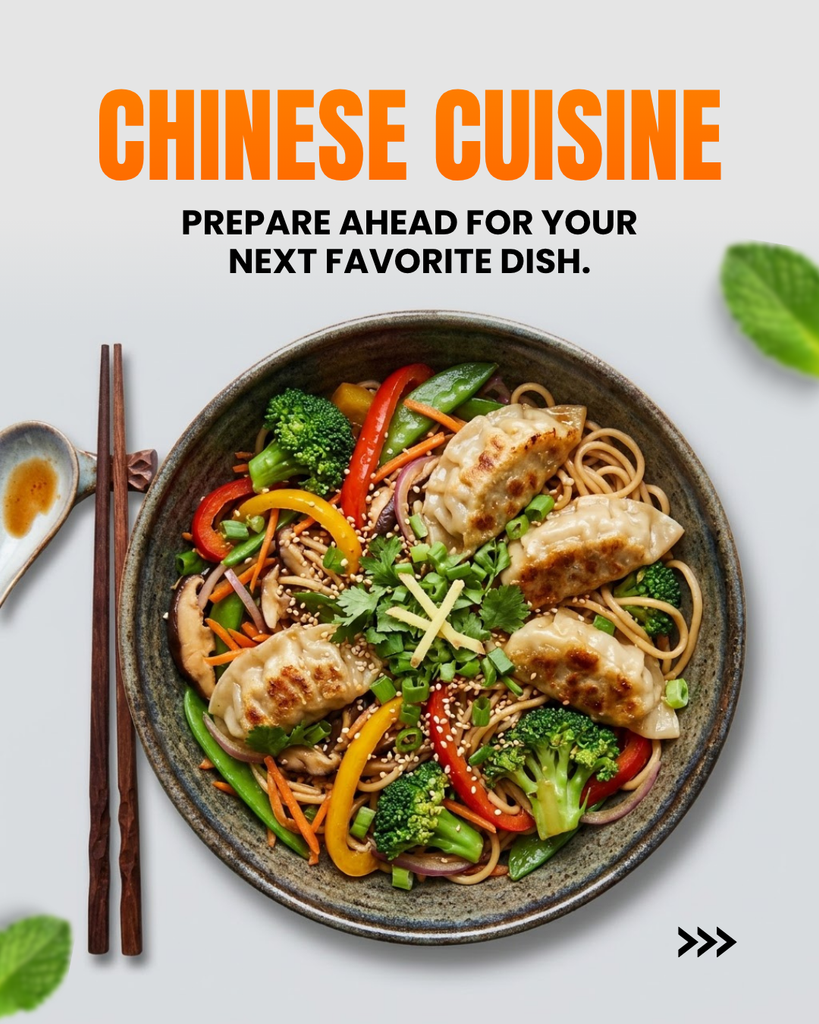
7. Chinese Cuisine: Variety Across Regions
Chinese cuisine includes numerous regional styles, each with its own ingredients, cooking techniques, and flavor preferences. Sichuan cooking is known for its distinctive use of chilies and Sichuan peppercorns, Cantonese cuisine often highlights freshness and careful cooking, and other regions have their own celebrated traditions.
Popular dishes include dumplings, fried rice, stir-fries, hot pot, mapo tofu, Peking duck, and a wide variety of noodle dishes.
Stir-frying is especially popular for home cooking because it can bring ingredients together quickly over high heat. Having everything prepared before the pan becomes hot makes the process much easier.
How to prepare for Chinese cooking
Slice vegetables, portion proteins, and mix sauces before you start cooking. Keep raw ingredients separate from ready-to-eat foods, and use separate utensils and cutting boards when necessary to prevent cross-contamination.
If you are making dumplings, prepare the filling and assemble the dumplings using a method appropriate for the recipe. Any freezing process should follow suitable food-handling instructions.
Vacuum sealing can be useful for packaging compatible ingredients or suitable portions for storage. For delicate dumplings, soft produce, or moist fillings, select a storage method that preserves the food’s texture and prevents leakage or crushing.
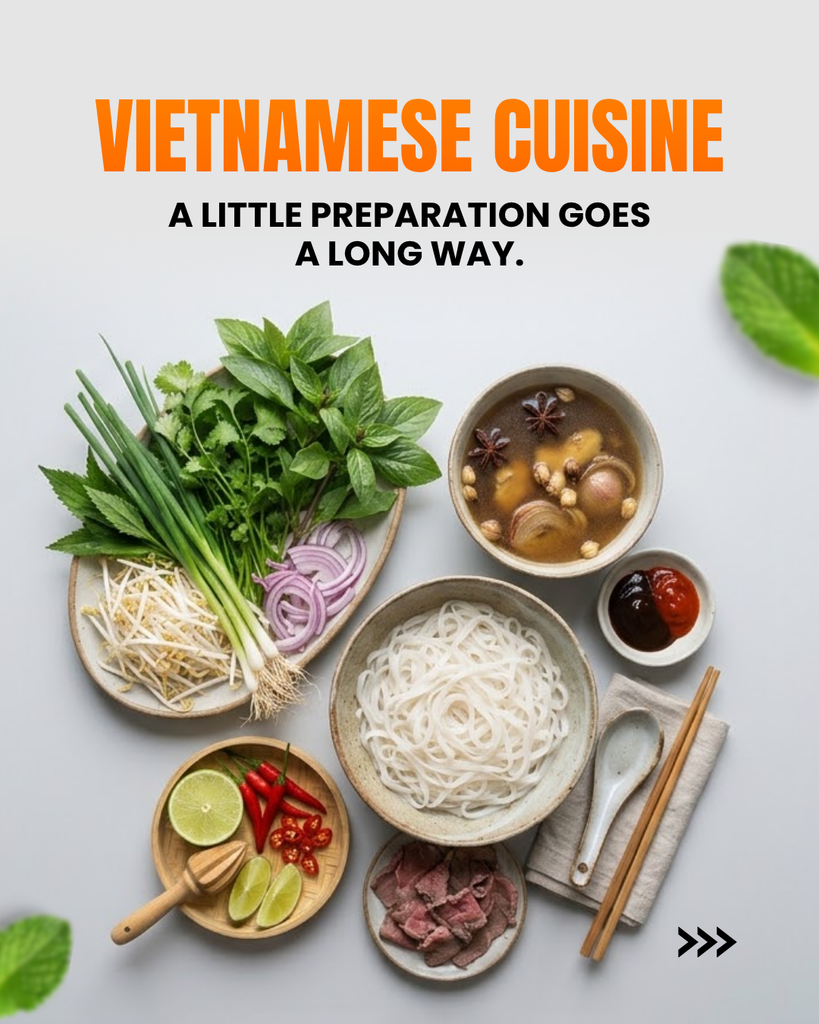
8. Vietnamese Cuisine: Freshness and Fragrant Ingredients
Vietnamese cuisine is known for fresh herbs, rice-based ingredients, aromatic broths, and a balance of contrasting textures and flavors.
Pho, banh mi, fresh spring rolls, bun cha, and bun bo Hue are among its best-known dishes. Depending on the recipe, ingredients may include rice noodles, mint, coriander, basil, lime, fish sauce, chilies, and slow-simmered broth.
Freshness is central to many Vietnamese dishes. Herbs and vegetables can provide contrast to rich broths, grilled meats, or savory sauces.
How to prepare Vietnamese dishes at home
For a homemade pho-inspired meal, prepare the broth, noodles, herbs, and other components separately. This allows you to assemble each bowl shortly before serving.
Wash fresh herbs and store them using a method appropriate for their moisture needs. Store raw meat separately and maintain the recommended refrigeration temperature.
A tabletop vacuum sealer may help with suitable solid portions, such as certain cuts of meat prepared for a future meal. Broths and other liquids should be stored in appropriate leakproof containers, with safe cooling and refrigeration procedures followed.
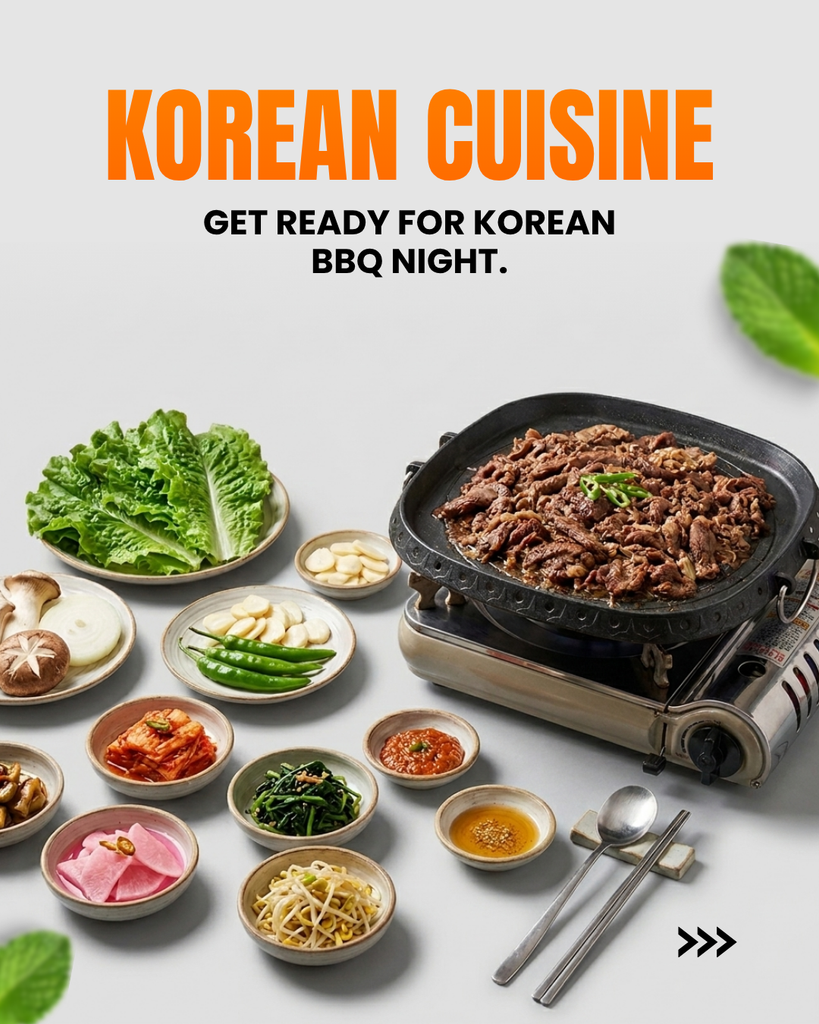
9. Korean Cuisine: Fermentation, Barbecue, and Shared Meals
Korean cuisine combines bold seasonings, fermented foods, grilled dishes, rice, noodles, and a variety of vegetable preparations.
Popular dishes include bulgogi, bibimbap, japchae, kimchi jjigae, tteokbokki, and Korean barbecue. Ingredients such as gochujang, gochugaru, garlic, sesame oil, soy sauce, and fermented vegetables contribute to its distinctive flavor profile.
Korean barbecue is particularly suited to group dining. Preparing marinades, side dishes, and vegetables ahead of time can make the meal more relaxed.
How to prepare for Korean barbecue
Portion the meat, prepare the marinade, and refrigerate everything for the appropriate time. Keep raw meat separate from ready-to-eat side dishes, and avoid reusing marinade that has contacted raw meat unless it is handled and cooked safely according to a reliable recipe.
Suitable meat portions can be packaged with a compatible tabletop vacuum sealer for refrigerated or frozen storage. Use a separate container or an appropriate packaging method for kimchi and other moist or fermented foods, as liquids and gases can complicate vacuum packaging.
The goal is to make preparation more organized without changing the traditional character of the meal.
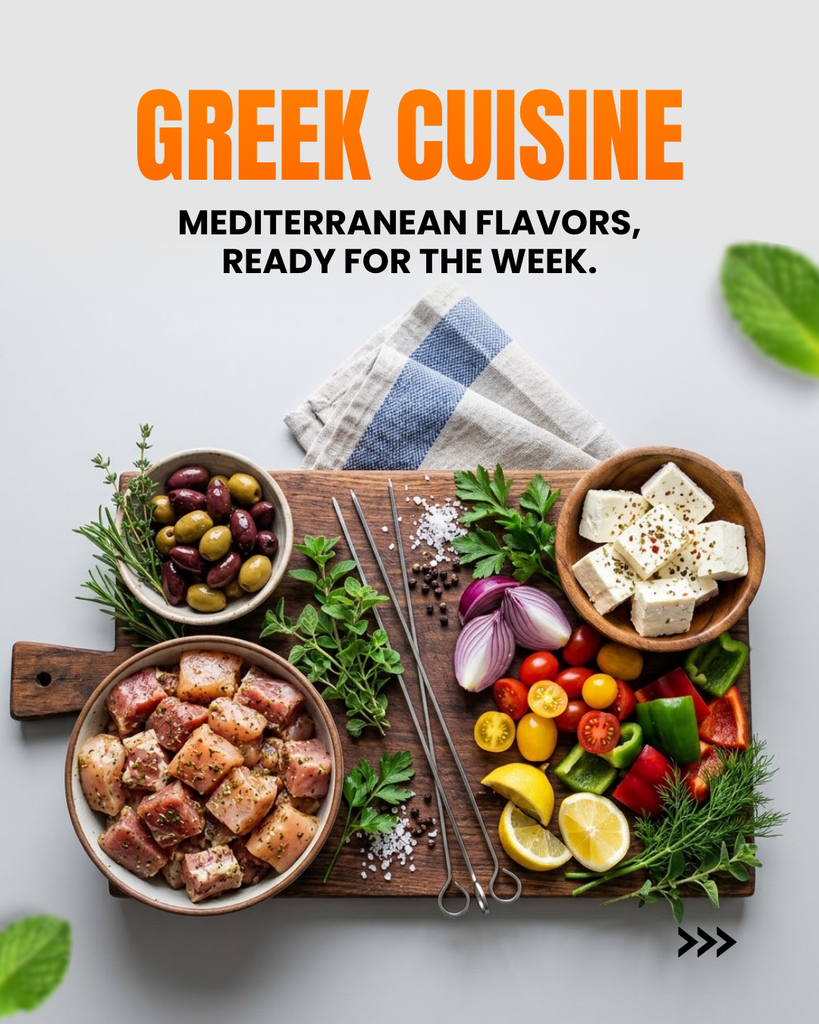
10. Greek Cuisine: Mediterranean Ingredients and Simple Meals
Greek cuisine is closely associated with olive oil, vegetables, legumes, herbs, seafood, grains, and grilled foods. Many dishes are built around fresh ingredients and straightforward preparation.
Popular examples include souvlaki, moussaka, Greek salad, spanakopita, dolmades, and a variety of grilled fish and vegetable dishes.
Lemon, oregano, garlic, olive oil, olives, and feta cheese are familiar ingredients in many Greek recipes. Together, they can create a flavorful meal without requiring complicated techniques.
How to prepare Greek-inspired meals
Prepare a marinade for suitable meat or vegetables, portion ingredients for skewers, and chop the vegetables you plan to serve. Keep perishable ingredients refrigerated until they are needed.
For a busy week, preparing individual portions can make it easier to assemble lunches or dinners. A tabletop vacuum sealer can help package compatible ingredients and portions, especially when you want to organize your refrigerator or freezer.
Remember that salad greens, soft cheeses, and delicate vegetables may require different storage methods. Vacuum packaging is not the best choice for every ingredient.
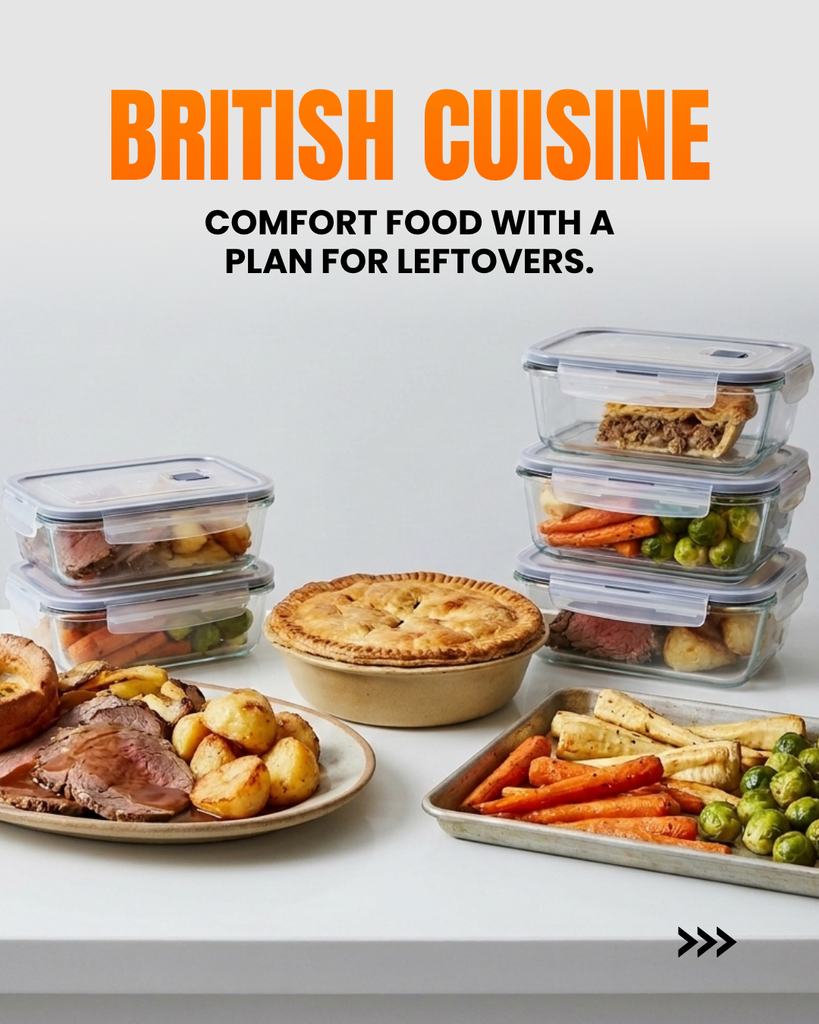
11. British Cuisine: Comfort Food and Traditional Favorites
British cuisine is often associated with hearty, comforting dishes and meals designed for sharing. Roast dinners, shepherd’s pie, fish and chips, cottage pie, Yorkshire pudding, and savory pies are well-known examples.
Traditional British cooking also includes a wide range of regional specialties, breads, desserts, and modern dishes influenced by communities from around the world.
Roasted meats and vegetables can be especially useful for meal planning because they may form the basis of more than one meal, provided leftovers are handled safely.
How to store leftovers more practically
After cooking, divide leftovers into suitable portions and cool them promptly using food-safe methods. Refrigerate or freeze them within the recommended time limits rather than leaving them on the counter.
For appropriate foods, vacuum sealing can help create compact packages for refrigerated or frozen storage. Label each package with the food name and date so that you can identify it easily later.
Introvac Tabletop Vacuum Sealers can be a useful addition to a kitchen routine focused on organized portions and better freezer management. Always follow safe storage temperatures and recommended storage periods.
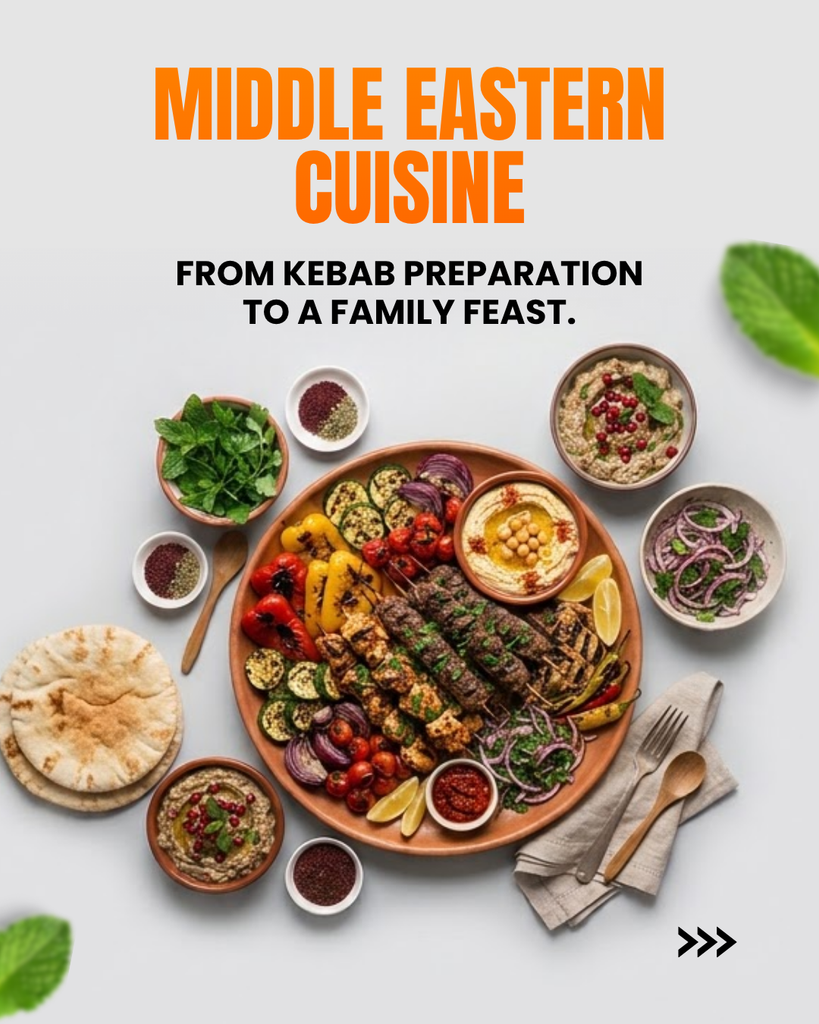
12. Middle Eastern Cuisine: Aromatic Spices and Shared Dishes
Middle Eastern cuisine covers a diverse range of food traditions across many countries and communities. Dishes vary by region, but common ingredients include grains, legumes, herbs, spices, vegetables, lamb, chicken, and a variety of breads.
Popular foods include hummus, falafel, kebabs, shawarma, tabbouleh, fattoush, and rice dishes. Ingredients such as cumin, coriander, sumac, parsley, mint, garlic, and lemon contribute to many recipes.
Meals are often served with a selection of sides, making preparation and organization particularly helpful when feeding a family or entertaining guests.
How to prepare Middle Eastern meals
Prepare spice mixtures, portion suitable proteins, and organize vegetables and accompaniments before cooking. For kebabs or shawarma-inspired dishes, follow the recipe’s marinating instructions and keep the food refrigerated.
If you prepare several portions at once, package suitable ingredients separately from sauces and liquid-rich foods. Use containers or pouches suited to each ingredient.
Vacuum sealing can help with compatible solid portions, but it should not replace proper refrigeration, freezing, hygiene, or cooking practices.
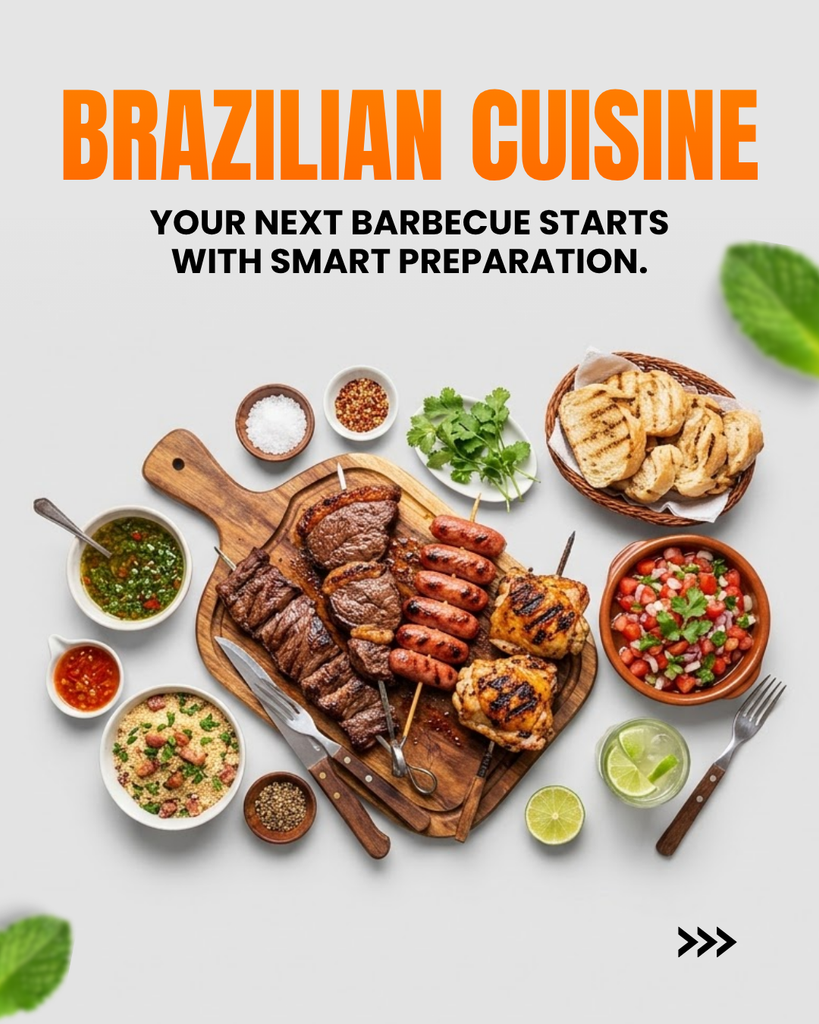
13. Brazilian Cuisine: Grilling and Generous Flavors
Brazilian cuisine reflects the country’s regional diversity and cultural influences. Rice, beans, cassava, tropical fruits, seafood, and grilled meats all play important roles in different parts of the country.
Well-known dishes include feijoada, pão de queijo, moqueca, farofa, brigadeiros, and churrasco-style barbecue.
Brazilian barbecue is especially appealing to people who enjoy cooking outdoors or preparing food for groups. A successful barbecue often begins well before the grill is switched on.
How to prepare for Brazilian barbecue
Choose suitable cuts of meat, portion them according to the meal, and prepare any seasonings or accompaniments. Keep raw meat refrigerated and separate from cooked foods until it is ready to be prepared.
If you buy meat in bulk, divide it into practical portions before storing it. A tabletop vacuum sealer can help create compact packages for suitable cuts, making it easier to organize a freezer and select only the amount required for the next barbecue.
Always label packages and follow safe freezing, thawing, and cooking practices.
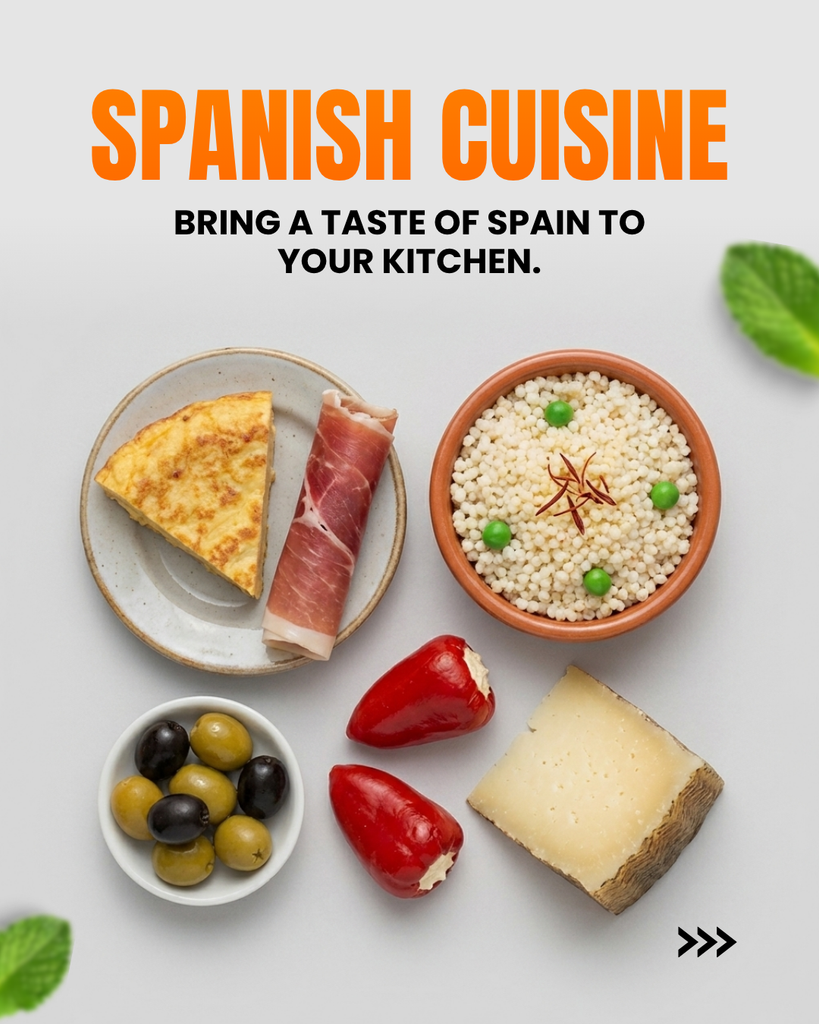
14. Spanish Cuisine: Tapas, Rice Dishes, and Social Dining
Spanish cuisine is famous for its regional variety and its culture of sharing food. Tapas can include olives, small seafood dishes, tortilla española, croquetas, grilled vegetables, and other bite-sized preparations.
Other well-known dishes include paella, gazpacho, patatas bravas, and a variety of rice and seafood specialties.
Many Spanish meals are designed around several dishes served together. This makes preparation important, especially when different components need to be ready at the same time.
How to prepare a Spanish-inspired meal
Prepare vegetables, measure rice and seasonings, and arrange the ingredients before cooking. If you are planning tapas, organize the dishes according to which can be prepared ahead and which should be made just before serving.
Suitable solid ingredients can be portioned and packaged for later use. Olives, sauces, and other wet ingredients should be stored in suitable containers.
A vacuum sealer can support an organized food-preparation routine, but it is not a replacement for appropriate storage methods for every ingredient.
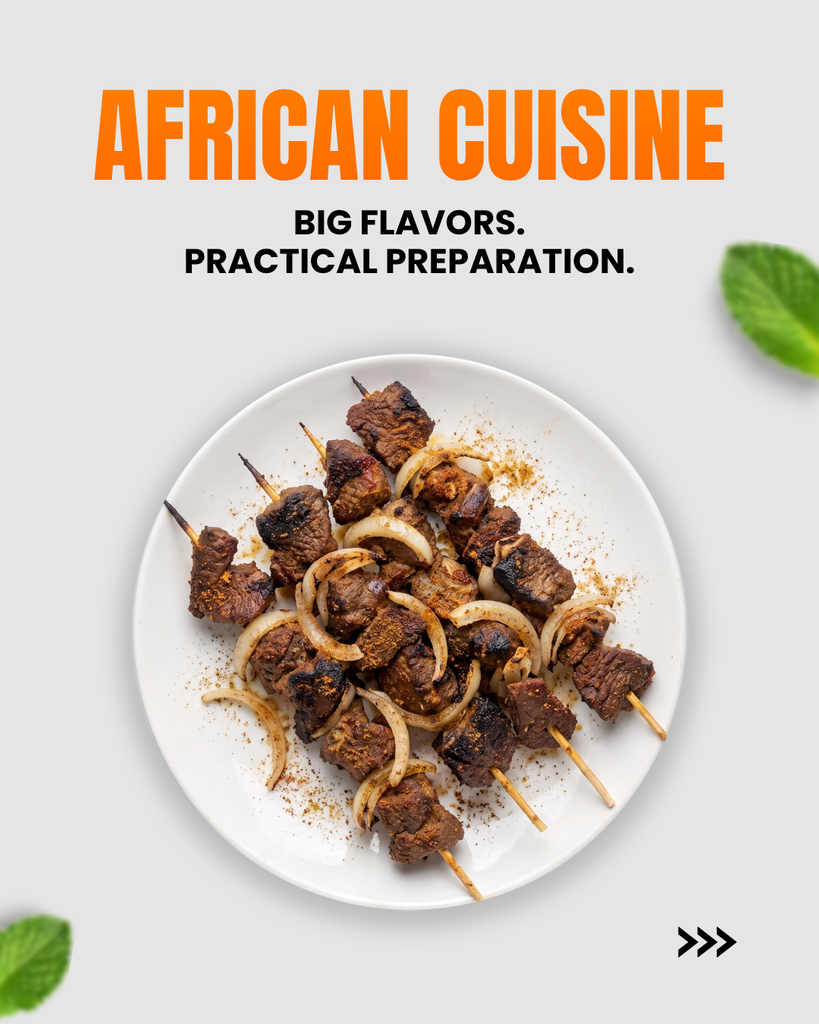
15. African Cuisine: Diverse Traditions and Memorable Flavors
African cuisine includes a vast range of regional and local food traditions. Ingredients, dishes, and cooking methods vary considerably across North, West, East, Central, and Southern Africa.
Examples include jollof rice, injera served with stews, Moroccan tagines, Ethiopian lentil dishes, South African braai, Nigerian suya, and many other foods. Grains, legumes, vegetables, meats, fish, spices, and fermented ingredients all feature in different culinary traditions.
Because the continent is so diverse, there is no single style that represents all African cooking. Exploring individual regional cuisines is one of the best ways to appreciate their distinctive ingredients and techniques.
How to prepare African-inspired dishes
Choose a specific recipe and organize its ingredients before cooking. For jollof rice, for example, you may need rice, tomatoes, peppers, onions, stock, and seasonings. For grilled dishes, prepare the marinade or spice mixture and handle the protein according to food-safety guidance.
Batch cooking can be useful for stews, sauces, and other dishes that lend themselves to preparing multiple portions. Cool cooked food promptly, divide it into appropriate containers, and refrigerate or freeze it safely.
For suitable solid ingredients and properly cooled portions, a tabletop vacuum sealer can help with packaging and storage organization.
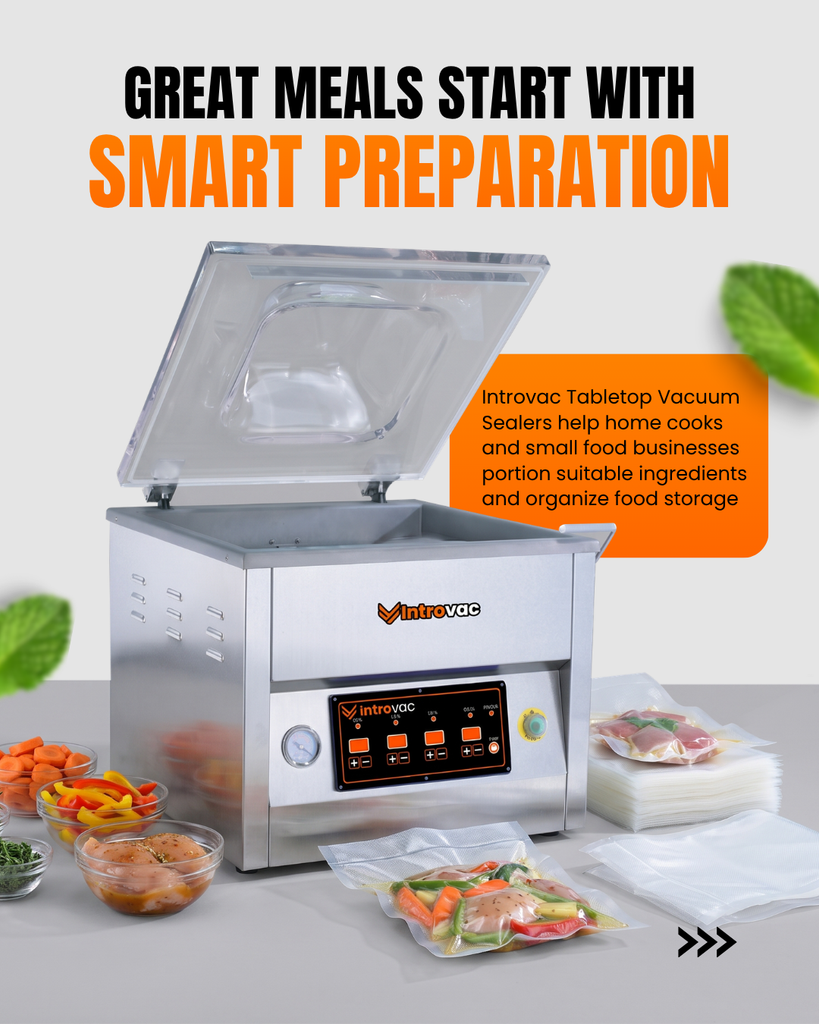
How Introvac Tabletop Vacuum Sealers Fit Into Everyday Cooking
Exploring global cuisine often means buying a wider range of ingredients, trying unfamiliar recipes, and preparing more food at home. Without a plan, it can be easy to lose track of portions, leave ingredients unused, or spend too much time preparing each meal from scratch.
A tabletop vacuum sealer can help make some parts of this process more organized.
Introvac offers tabletop vacuum sealing machines for home users and small food businesses. When used with compatible vacuum pouches and suitable foods, these machines can remove air from a package before sealing it. This can help reduce exposure to air and create compact packages for appropriate refrigerated or frozen storage.
Here are several practical ways to incorporate vacuum sealing into your kitchen routine.
1. Divide Bulk Purchases Into Useful Portions
Buying ingredients in larger quantities can be convenient, but a large package is not always practical for everyday cooking.
Divide suitable ingredients into meal-sized portions before storage. For example, you might separate meat into portions for Indian curry, Greek souvlaki, or Brazilian barbecue. Label each package so that you can quickly identify what you need.
2. Plan Meals Before the Week Begins
Choose a few recipes for the week and prepare a shopping list based on their shared ingredients. You might use herbs for Thai and Vietnamese dishes, vegetables for Mexican tacos and Chinese stir-fries, or suitable proteins for several different meals.
Prepare only what can be safely stored in advance, and keep ingredients that need refrigeration at the correct temperature.
3. Organize Your Refrigerator and Freezer
Clear labels and consistent portion sizes can make it easier to find ingredients. Write the food name and packaging date on each package, and rotate stored food so that older items are used first when appropriate.
Vacuum packaging may help reduce package bulk for suitable foods, although the actual space saved depends on the ingredient and packaging method.
4. Reduce Exposure to Air Where Appropriate
Air exposure can affect food quality, and vacuum packaging can help reduce it for suitable ingredients. However, the result depends on the food, its condition before packaging, the quality of the seal, and how it is stored afterward.
Vacuum sealing does not sterilize food, eliminate all microorganisms, or guarantee a particular shelf life.
5. Choose the Right Storage Method for Each Ingredient
Not every food should be vacuum sealed in the same way. Solid ingredients are often easier to package than liquids or delicate produce. Soft foods may be crushed, while sauces and broths can be drawn into the sealing area if packaged incorrectly.
Use compatible pouches and follow your machine’s instructions. Store food at safe temperatures, and use suitable containers for ingredients that are not appropriate for vacuum packaging.
6. Make Food Preparation More Convenient
A well-organized kitchen does not need to be complicated. Prepare the ingredients you use most often, divide suitable foods into portions, label packages clearly, and keep your equipment clean.
For households that cook regularly, or small food businesses that prepare ingredients in advance, an Introvac Tabletop Vacuum Sealer may be a practical addition to the workflow.
Explore the Introvac range at https://introvac.com/ to learn more about available tabletop vacuum sealing machines.
Important Food Safety Tips When Vacuum Sealing
Vacuum sealing can support food storage, but safe handling remains essential.
- Keep perishable food cold: Refrigerate or freeze food as appropriate. Vacuum sealing does not make perishable food safe at room temperature.
- Handle raw and cooked food separately: Prevent cross-contamination by cleaning work surfaces and using appropriate utensils.
- Cool cooked food promptly: Divide large quantities into suitable portions and follow recommended cooling and refrigeration guidance.
- Use compatible packaging: Select pouches designed for your tabletop chamber vacuum sealer and follow the manufacturer’s instructions.
- Label packages: Include the food name and date to make storage easier to manage.
- Be careful with liquids: Use suitable containers or packaging methods for soups, broths, sauces, and other liquid-rich foods.
- Follow safe thawing and cooking practices: Thaw and cook food according to reliable food-safety guidance.
- Take extra care with raw seafood: Vacuum packaging does not make raw fish safe to eat or replace appropriate temperature controls.
When in doubt, follow guidance from a recognized food-safety authority and the instructions supplied with your machine.
Frequently Asked Questions
What are the 15 cuisines featured in this guide?
The guide covers French, Thai, Indian, Mexican, Japanese, Italian, Chinese, Vietnamese, Korean, Greek, British, Middle Eastern, Brazilian, Spanish, and African cuisines. Each represents a different starting point for exploring ingredients, recipes, and cooking techniques.
Which international cuisine is easiest to try at home?
The easiest option depends on your cooking experience and access to ingredients. Mexican tacos, Italian pasta, Thai stir-fries, and simple Indian curries can be approachable starting points because recipes can be adapted to available ingredients and preferred levels of complexity.
Can I use a vacuum sealer for meal preparation?
Yes. A tabletop vacuum sealer can help package suitable ingredients and portions for appropriate refrigerated or frozen storage. It can be especially useful when planning meals in advance or dividing bulk purchases into smaller packages.
Does vacuum sealing mean food no longer needs refrigeration?
No. Vacuum sealing does not eliminate all microorganisms or make perishable foods shelf-stable. Food that requires refrigeration or freezing must continue to be stored at safe temperatures after packaging.
Can I vacuum seal sauces, soups, or marinades?
Liquids can be challenging because they may be drawn toward the sealing area during the vacuum cycle. Use the method recommended by your machine’s manufacturer and choose suitable containers or packaging for liquid-rich foods. Do not assume every liquid is suitable for direct vacuum sealing.
What foods are suitable for vacuum sealing?
Many solid ingredients and suitable portions of meat, fish, cheese, and other foods may be vacuum packaged when the packaging is compatible and the food is handled safely. Delicate produce, very moist foods, liquids, and foods that release gases may require different methods.
How does Introvac fit into a home kitchen?
Introvac Tabletop Vacuum Sealers are designed for tabletop vacuum sealing applications. They can help home cooks and small food businesses package suitable ingredients and organize food storage. Choose a model and compatible packaging that fit your intended use.
Does vacuum sealing guarantee that food stays fresh longer?
No packaging method can guarantee a specific result for every food. Vacuum sealing can reduce exposure to air, but storage temperature, food quality, hygiene, packaging integrity, and the type of food all affect its condition and safety.
Conclusion: Explore More Flavors, One Meal at a Time
Discovering global cuisine is a simple way to bring new ideas into your kitchen. You might try the rich flavors of French cooking, experiment with Thai herbs and spices, prepare an Indian marinade, or organize a weekend meal inspired by Japanese, Mexican, Italian, or Middle Eastern traditions.
The best place to start is with a dish that interests you. Learn its ingredients, follow a reliable recipe, and prepare everything carefully before cooking. As you explore more cuisines, planning portions and organizing storage can make your routine easier.
Introvac Tabletop Vacuum Sealers can support that routine by helping you package suitable ingredients and organize food storage. Used correctly, alongside proper refrigeration, freezing, and food-handling practices, vacuum sealing can be a useful part of a practical kitchen setup.
Ready to make food preparation more organized? Explore the Introvac Tabletop Vacuum Sealer range at https://introvac.com/ and discover a practical approach to preparing meals at home or in a small food business.
Explore the world of food. Prepare thoughtfully. Enjoy every flavor.