
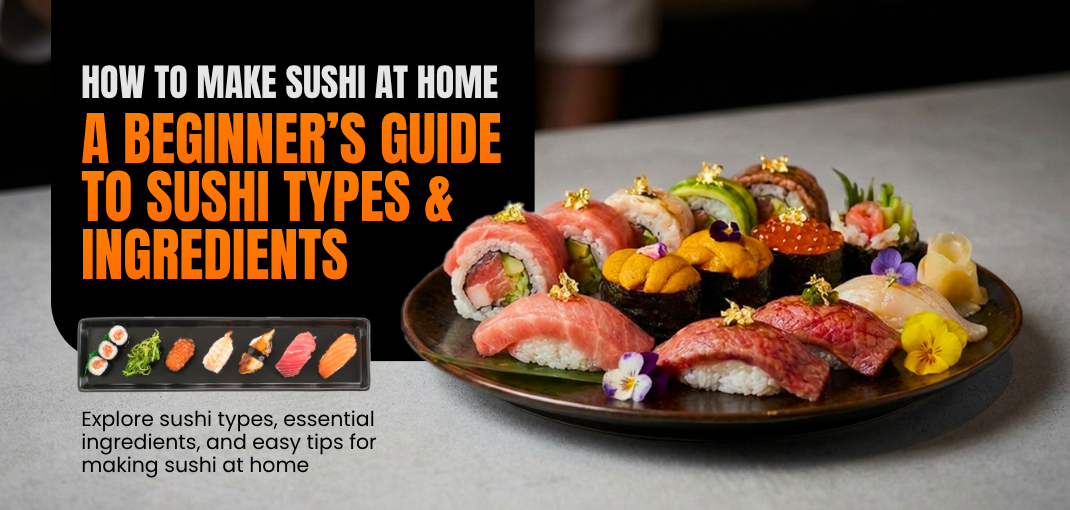
Sushi has become one of the most popular Japanese dishes around the world. From simple cucumber rolls to salmon nigiri and California rolls filled with avocado and imitation crab, there are countless ways to enjoy this versatile food. Although sushi is widely available at Japanese restaurants and takeaway shops, making it at home can be a rewarding experience. You can choose your favorite ingredients, experiment with different flavors, and prepare sushi that suits your personal taste.
The good news is that you do not need professional kitchen equipment or years of experience to get started. With the right ingredients, properly prepared sushi rice, a sharp knife, and a little patience, you can make several popular types of sushi in your own kitchen.
However, good sushi is about more than putting rice and fish together. The texture of the rice, the freshness and safety of the ingredients, the way the fillings are prepared, and the temperature at which everything is stored all contribute to the final result.
In this guide, we will explain how to make sushi at home, explore the most popular types of sushi, identify the essential ingredients and tools, and share practical preparation and storage tips. We will also discuss how a tabletop vacuum sealer, such as an Introvac machine, may help with certain aspects of ingredient preparation and food storage.
Understanding the Different Types of Sushi
Before you start preparing sushi, it helps to understand the main varieties. The word sushi refers to dishes made with specially seasoned rice, usually prepared with rice vinegar, sugar, and salt. Raw fish is a common ingredient in some sushi dishes, but it is not essential to every type of sushi.
Knowing the differences between sushi varieties will help you choose a recipe that matches your cooking skills and preferred ingredients.
1. Maki Sushi: Traditional Sushi Rolls
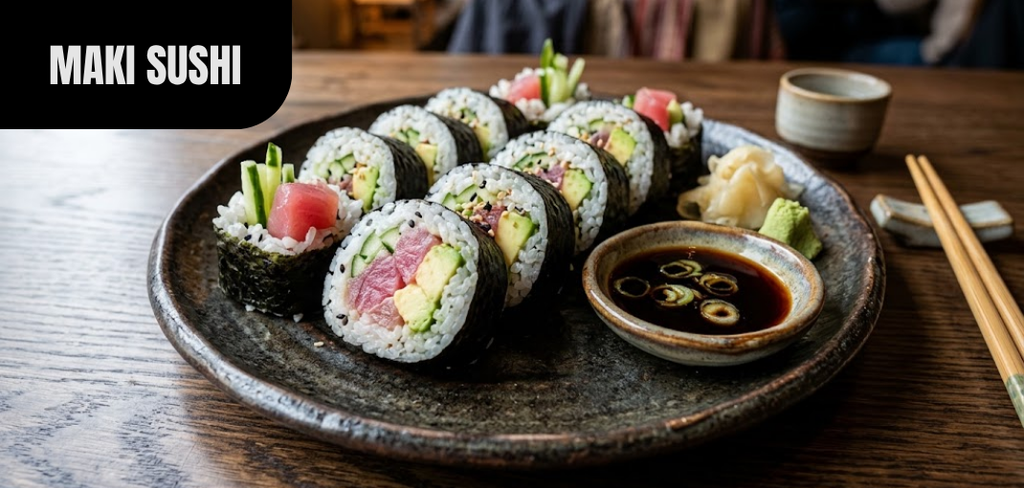
Maki is one of the most recognizable forms of sushi. It consists of seasoned rice and fillings rolled inside a sheet of dried seaweed, known as nori. The roll is then cut into smaller, bite-sized pieces.
Common fillings include cucumber, avocado, cooked shrimp, imitation crab, and cooked fish. Some varieties also contain raw fish prepared for raw consumption.
Maki is a practical choice for beginners because the ingredients are enclosed in the seaweed, making the rolls relatively easy to handle once you learn the rolling technique.
To prepare maki, place a sheet of nori on a bamboo rolling mat, spread a thin layer of sushi rice across it, and arrange your chosen fillings near one edge. Roll the mat forward while keeping the ingredients together, then use a sharp, slightly damp knife to cut the finished roll into pieces.
2. Uramaki: Inside-Out Sushi Rolls
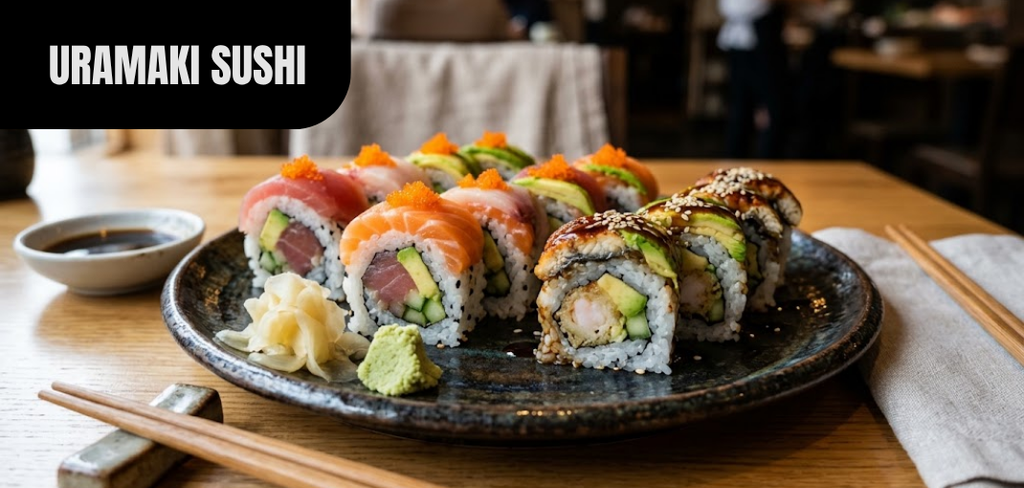
Uramaki is commonly called inside-out sushi because the rice is on the outside of the roll, while the nori surrounds the fillings inside.
California rolls are a familiar example. They often contain imitation crab, avocado, and cucumber, although recipes vary. Some versions are finished with sesame seeds or other toppings.
Uramaki can be slightly more challenging than traditional maki because the rice tends to stick to your hands and working surface. Covering the bamboo mat with food-safe plastic wrap can make the process easier.
For a beginner-friendly version, start with cooked or ready-to-eat fillings and avoid adding too many ingredients. A balanced roll is easier to assemble, slice, and serve than one packed with several large fillings.
3. Nigiri Sushi: Rice Topped With Fish or Other Ingredients
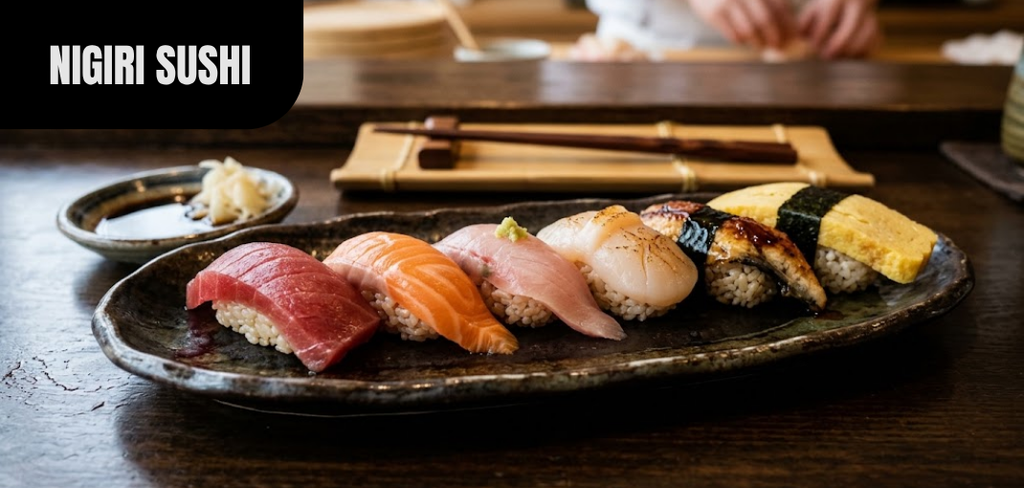
Nigiri is a simple style of sushi made by shaping a small portion of seasoned rice into an oval and placing a topping over it. The topping may be fish, seafood, egg, or a suitable vegetable preparation.
Salmon nigiri and tuna nigiri are popular examples. However, nigiri does not always contain raw fish. Cooked shrimp and Japanese-style omelet are also commonly used.
The key to good nigiri is the texture of the rice. It should hold together without becoming compressed into a hard lump. A light touch is important when shaping each portion.
Because the topping is exposed rather than wrapped inside a roll, ingredient quality and careful handling are especially important. If you are preparing nigiri with raw seafood, use fish specifically sourced and handled for raw consumption, and follow appropriate refrigeration and parasite-control guidance.
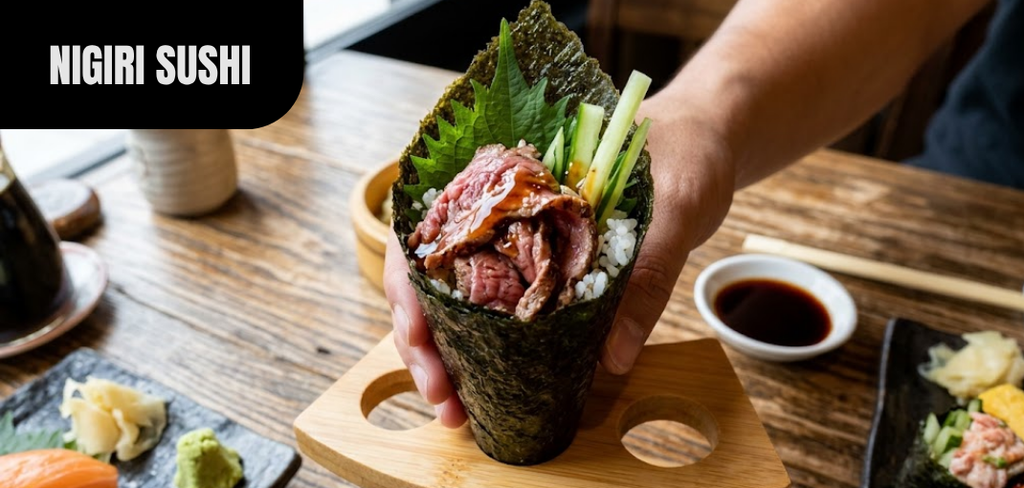
4. Temaki: Hand-Rolled Sushi Cones
Temaki is sushi served in a cone-shaped sheet of nori. The seaweed holds the rice and fillings together, but the roll is usually eaten by hand rather than cut into slices.
This variety is particularly convenient for a home sushi night because each person can assemble a cone using their preferred ingredients.
Prepare small bowls of seasoned rice, sliced cucumber, avocado, cooked shrimp, and other suitable fillings. Cut the nori into manageable pieces, add a small amount of rice and filling, and fold it into a cone.
Temaki is a useful option when you want to offer several choices without spending time rolling and cutting every portion individually.
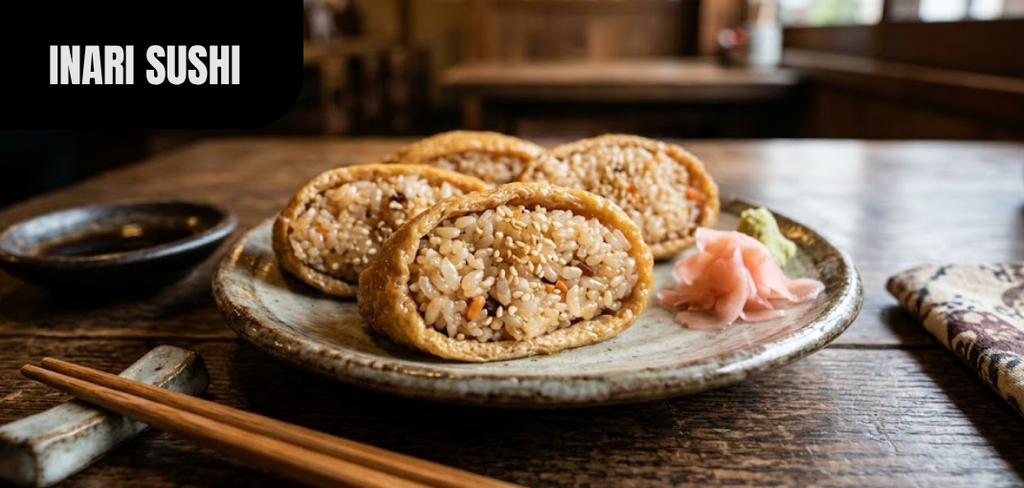
5. Inari Sushi: Sweet Tofu Pouches Filled With Rice
Inari sushi offers an alternative to seaweed rolls and fish-topped sushi. It is made by filling seasoned rice into pockets of fried tofu called inari age, which are typically seasoned with a slightly sweet soy-based mixture.
This style is generally straightforward to prepare because the tofu pockets already provide a shape for the rice. You can use plain seasoned rice or add small amounts of suitable vegetables or sesame seeds.
Inari sushi is a good choice for people who prefer vegetarian options or want to prepare a varied platter without relying on raw seafood.
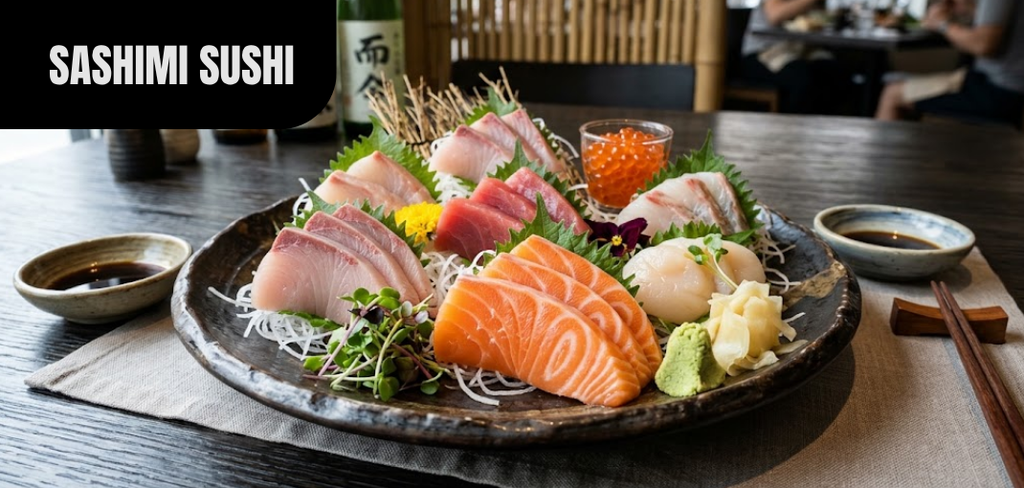
6. Sashimi: A Related Japanese Dish, but Not Sushi
Sashimi is often served alongside sushi, but the two are not the same. Sashimi consists of carefully cut pieces of raw seafood served without sushi rice.
This distinction matters when planning your ingredients. Sushi rice is a defining component of sushi, whereas sashimi focuses on the seafood itself.
Sashimi requires particularly careful sourcing, handling, and temperature control. If you are new to preparing Japanese food at home, start with cooked fillings or vegetarian sushi before attempting raw seafood dishes.
Essential Ingredients for Making Sushi at Home
The ingredients you choose will affect the flavor, texture, and appearance of your sushi. Fortunately, many beginner recipes rely on a small collection of ingredients that can be used in several different ways.
Sushi Rice
Rice is the foundation of most sushi varieties. Japanese short-grain rice is generally preferred because it becomes tender and slightly sticky when cooked, allowing the grains to hold together without turning into a paste.
Long-grain rice is usually less suitable because it does not have the same texture. If possible, purchase rice specifically labeled for sushi.
Before cooking, rinse the rice several times in cool water until the water becomes noticeably clearer. This helps remove excess surface starch. Cook it according to the package instructions, using the appropriate amount of water for the rice you have purchased.
Once cooked, transfer the rice to a suitable wide bowl and gently mix in the seasoning while the rice is still warm.
Rice Vinegar, Sugar, and Salt
Sushi rice is traditionally seasoned with rice vinegar, sugar, and salt. Together, these ingredients give the rice its characteristic balance of mild acidity, sweetness, and savory flavor.
You can buy prepared sushi vinegar or make your own seasoning mixture. The exact proportions vary by recipe, so begin with a trusted recipe and adjust gradually to suit your taste.
Fold the seasoning into the rice rather than aggressively stirring or crushing the grains. The goal is to distribute the flavor evenly while preserving the rice’s texture.
Remember that seasoned sushi rice is not automatically safe to leave at room temperature for extended periods. Cooked rice can support the growth of harmful bacteria if it is held under unsuitable conditions.
Nori: Dried Seaweed Sheets
Nori is the dark, thin seaweed used to wrap many sushi rolls. It provides a distinctive savory flavor and helps hold the rice and fillings together.
Choose sheets that are intact and crisp. Store unopened nori in a dry, sealed package, away from humidity, because moisture can make it soft and difficult to handle.
For traditional maki, place the nori shiny-side down on the rolling mat. Depending on the recipe and the size of your sheets, you may need to cut them into smaller pieces.
Fish and Seafood
Salmon, tuna, shrimp, and imitation crab are common sushi ingredients, but each requires different preparation and handling.
If you intend to serve fish raw, purchase it from a reputable supplier who can confirm that it is suitable for raw consumption and explain the relevant parasite-control requirements. The term “sushi-grade” is not a universal guarantee of safety, and appearance alone cannot establish whether fish is safe to eat raw.
For beginners, cooked shrimp, cooked seafood, or imitation crab can make sushi preparation simpler. Keep seafood properly refrigerated and separate raw ingredients from ready-to-eat foods to reduce the risk of cross-contamination.
Do not assume that marinating, rinsing, or vacuum sealing raw fish makes it safe to eat without appropriate controls.
Fresh Vegetables
Cucumber, avocado, and carrots are useful ingredients for homemade sushi. They add freshness, color, and texture while offering alternatives to fish-based fillings.
Cut vegetables into long, thin strips that fit neatly inside your rolls. Remove excess moisture from washed vegetables before assembly, as water can soften nori and make the rolls more difficult to handle.
Avocado should be cut close to serving time because its surface can discolor when exposed to air. A small amount of suitable acid, such as lemon juice, may slow browning, although it will not eliminate it completely.
Soy Sauce, Wasabi, and Pickled Ginger
Soy sauce is commonly served alongside sushi, while wasabi provides a sharp, pungent flavor. Pickled ginger is traditionally eaten between different pieces to refresh the palate.
These additions are optional, and you do not need all three to make enjoyable sushi at home. If you are serving guests, offering condiments separately allows everyone to adjust the flavors to their preferences.
Equipment You Need to Prepare Sushi
You do not need a large collection of specialized kitchen tools to make sushi. A few basic items will cover most beginner recipes.
A bamboo sushi mat helps you roll maki and uramaki into a compact shape. A sharp kitchen knife is important for cutting the finished rolls without crushing them. A rice cooker can simplify rice preparation, although a saucepan also works when used correctly.
You will also need a bowl for seasoning the rice, a rice paddle or suitable spatula, a clean cutting board, and small bowls for organizing the fillings.
If you plan to make sushi regularly, consider how you will organize and store ingredients between preparation sessions. Food-safe containers and appropriate refrigeration are essential. A tabletop vacuum sealer, such as an Introvac, may also be useful for suitable ingredients that benefit from reduced air exposure during storage, provided the packaging method is appropriate for that particular food.
How to Make Sushi at Home: A Step-by-Step Guide
Once your ingredients and equipment are ready, the process becomes much easier. The following method uses a simple vegetable-and-cooked-seafood roll, making it a practical starting point for beginners.
Step 1: Prepare the Sushi Rice
Measure the rice according to your recipe and rinse it thoroughly. Cook it using a rice cooker or saucepan, following the package instructions.
While the rice is warm, add the prepared mixture of rice vinegar, sugar, and salt. Fold the seasoning through the rice gently, taking care not to mash the grains.
Let the rice cool to a suitable handling temperature. Keep food safety in mind throughout the process, and do not leave cooked rice sitting at room temperature for an extended period.
Step 2: Prepare the Fillings
Wash the vegetables and cut them into thin strips. Prepare the cooked shrimp or other cooked filling, ensuring that it has been handled and stored safely.
Arrange the ingredients in separate bowls so that you can assemble the rolls without repeatedly opening packages or searching through the refrigerator.
This is also a good time to check that your knife, cutting board, hands, and work surface are clean. Keep raw seafood and its utensils separate from cooked and ready-to-eat ingredients.
Step 3: Position the Nori
Place your bamboo mat on a clean work surface. Lay a sheet of nori on the mat with the shiny side facing down.
If you are using a full-size sheet, check the package instructions and your preferred recipe to determine whether it needs trimming. Keep the remaining sheets covered so they stay crisp.
Step 4: Spread the Rice
Wet your hands lightly with clean water to reduce sticking. Take a small amount of seasoned rice and spread it evenly across the nori, leaving a narrow strip uncovered along the far edge.
Avoid pressing too hard. A thick, compressed layer of rice can make the finished roll heavy and difficult to cut.
Step 5: Add the Fillings
Place the cucumber, avocado, and cooked seafood in a neat line across the rice, slightly closer to the edge facing you.
Do not overload the roll. Too much filling can make the nori tear or prevent the roll from closing properly.
For your first attempt, use two or three ingredients. Once you become comfortable with the process, experiment with combinations such as avocado and cucumber, cooked shrimp and carrot, or imitation crab and avocado.
Step 6: Roll the Sushi
Lift the edge of the bamboo mat closest to you and fold it over the fillings. Use your fingers to keep the ingredients together as you roll forward.
Apply gentle, even pressure through the mat to shape the roll. Continue rolling until the exposed edge of nori meets the outside of the roll.
A small amount of water along the exposed nori edge can help it adhere. Avoid squeezing so tightly that the rice becomes dense or the fillings are pushed out.
Step 7: Cut and Serve
Use a sharp knife to cut the roll into evenly sized pieces. Wiping the blade with a clean, slightly damp cloth between cuts can help prevent rice from sticking.
Arrange the pieces on a plate and serve with soy sauce, wasabi, or pickled ginger if desired.
Homemade sushi is often best enjoyed shortly after preparation, when the rice has the right texture and the nori remains crisp. Refrigerate perishable ingredients and leftovers promptly, and follow appropriate food safety guidance for the specific ingredients used.
How to Keep Sushi Ingredients Fresh Before Preparation
Preparing sushi often involves several ingredients that need different storage conditions. Fish, vegetables, cooked rice, nori, and sauces should not all be treated the same way.
A little planning can help reduce waste and make the preparation process more manageable, particularly if you make sushi for family meals, gatherings, or regular meal preparation.
Organize Ingredients Before You Start
Begin by deciding which sushi varieties you plan to make. Check your recipes and prepare a shopping list so you do not purchase more seafood or vegetables than you can use safely.
Wash and cut vegetables close to preparation time when practical. Keep them in clean, suitable containers and refrigerate them when required. Store nori separately in a dry, airtight package so it does not absorb moisture.
Raw seafood should remain under appropriate refrigeration or frozen storage conditions, depending on when it will be used and the supplier’s instructions. Keep it separate from foods that will be eaten without further cooking.
Can a Vacuum Sealer Help With Sushi Preparation?
A tabletop vacuum sealer can be useful in a home kitchen, especially for people who regularly prepare meals and want to portion suitable ingredients in advance.
An Introvac vacuum sealer can be considered for appropriate foods such as certain vegetables, cooked ingredients, or other items intended for storage under a suitable refrigerated or frozen plan. Reducing the amount of air in a package may help limit oxidation and freezer burn in compatible foods.
For example, if you prepare several meals during the week, you might portion suitable cooked ingredients separately rather than opening and handling a large package each time. This can make meal planning more organized and help you manage portions.
However, vacuum sealing is not suitable for every ingredient or every storage situation. Fresh-cut vegetables may need particular handling, and moist foods can have different packaging requirements. Always follow the machine manufacturer’s instructions and food-specific storage guidance.
Raw fish intended for sushi requires particular caution. Vacuum packaging creates a low-oxygen environment that can permit the growth of certain dangerous bacteria under unsuitable storage conditions. Do not vacuum seal raw fish for later consumption without a validated food-safety procedure appropriate to the fish, packaging, temperature, and intended use. Simply placing the package in a refrigerator does not eliminate every hazard.
Vacuum sealing also does not sterilize food, remove all bacteria, or make an ingredient safe if it was already mishandled.
Store Different Ingredients Separately
One of the most practical habits is to avoid mixing all your ingredients together before you need them.
Keep raw seafood separate from vegetables, cooked fillings, and ready-to-eat foods. Use clean containers, label stored portions where helpful, and follow recommended refrigeration or freezing conditions.
Nori should remain dry, while avocado is generally better cut close to assembly. Cooked rice needs careful time and temperature management because harmful bacteria can grow in improperly stored rice.
These small decisions can make sushi preparation more efficient without compromising the quality or safety of the meal.
Common Mistakes to Avoid When Making Sushi
Even a simple sushi recipe can be frustrating if the rice, fillings, or rolling technique are not quite right. Understanding common problems can save time and ingredients.
Using the Wrong Rice
Ordinary long-grain rice often fails to provide the texture needed for traditional sushi rolls. Short-grain Japanese rice is generally the better choice because it holds together while remaining tender.
Rinsing and cooking the rice correctly also matter. Too much water can make it mushy, while insufficient water can leave it firm and difficult to shape.
Adding Too Much Filling
Large portions of fish, vegetables, and rice may look generous, but they can make a roll difficult to close. Start with a modest amount of filling and distribute it evenly.
If the roll breaks apart when sliced, check whether the nori was rolled tightly enough and whether the knife was sharp. Adding more pressure during cutting is not always the solution; excessive pressure can flatten the rice.
Letting the Nori Become Damp
Nori loses its crispness when exposed to moisture. Keep unused sheets covered, and assemble rolls close to serving time.
If you are making several varieties, prepare the ingredients first and roll the sushi shortly before the meal. This helps prevent the seaweed from becoming soft while you work on other dishes.
Ignoring Food Safety
Raw fish and cooked rice require careful handling. Buy seafood from a reputable source, maintain appropriate temperatures, clean work surfaces, and avoid cross-contamination.
Do not assume that vinegar in sushi rice, a squeeze of lemon juice, or vacuum packaging makes unsafe food safe. These methods are not substitutes for appropriate food-safety controls.
Tips for Making Sushi Preparation Easier
The easiest way to improve your homemade sushi is to keep the process simple and repeatable.
Start with one or two varieties rather than attempting an entire restaurant menu. Maki with cucumber and avocado is an accessible starting point, while cooked shrimp rolls provide an option for people who prefer seafood without raw fish.
Prepare the ingredients before spreading the rice. Keep a small bowl of water nearby for your hands and knife, and use a bamboo mat to help create consistent rolls.
You can also plan the quantity of rice and fillings according to the number of people you are serving. This reduces unnecessary leftovers and makes it easier to maintain safe storage practices.
For regular meal preparation, consider portioning suitable ingredients ahead of time and storing them in appropriate containers. If you use a vacuum sealer, follow the equipment instructions and the specific safety requirements for each food rather than applying the same packaging method to everything.
Above all, allow yourself time to practice. The first roll may not look perfect, but consistent rice preparation and careful handling will make a noticeable difference.
Frequently Asked Questions About Making Sushi at Home
What is the easiest type of sushi to make at home?
Maki rolls filled with cucumber and avocado are a good starting point. The ingredients are easy to prepare, and the rolling technique becomes more manageable with practice. Inari sushi is another accessible option because the tofu pockets provide a ready-made shape.
Can I make sushi without raw fish?
Yes. Sushi can be made with cucumber, avocado, carrots, cooked shrimp, imitation crab, cooked seafood, or other suitable ingredients. Raw fish is not required for every sushi variety.
What rice should I use for homemade sushi?
Japanese short-grain rice labeled for sushi is generally recommended. Its texture helps the rice hold together without becoming excessively hard or mushy.
Can I prepare sushi ingredients ahead of time?
Yes, some ingredients can be prepared in advance, provided they are stored under suitable conditions. Vegetables, sauces, and certain cooked fillings can be organized ahead of assembly. Keep raw seafood refrigerated or frozen as appropriate, and handle cooked rice carefully. For the best texture, assemble sushi close to serving time.
Can I vacuum seal sushi?
Vacuum sealing is not automatically appropriate for finished sushi or every sushi ingredient. Certain compatible ingredients may be packaged using a suitable method, but raw seafood requires particular caution because reduced-oxygen packaging can introduce serious food-safety risks if temperature and handling controls are inadequate. Follow validated guidance for the specific food and intended storage conditions.
Does vacuum sealing keep food fresh without refrigeration?
No. Vacuum sealing does not replace refrigeration or freezing when those conditions are required. Perishable foods can become unsafe even when packaged in a vacuum-sealed bag.
How long can homemade sushi be stored?
Homemade sushi is generally best consumed shortly after preparation. The safe storage period depends on the ingredients, preparation conditions, and temperature history. Raw seafood and cooked rice require particular care, so do not rely on a universal storage time or assume that vacuum sealing extends the safe holding period.
Final Thoughts
Making sushi at home is a practical way to explore Japanese food while choosing the ingredients and flavors you enjoy most. Once you understand the differences between maki, uramaki, nigiri, temaki, and inari, you can begin with simple recipes and gradually develop your own combinations.
The most important foundations are properly prepared sushi rice, suitable ingredients, a clean workspace, and careful food handling. Planning your ingredients before you begin also makes the process more efficient and helps reduce waste.
For households that prepare meals regularly, an appropriate tabletop vacuum sealer can be one part of a broader food-storage routine. Introvac offers an opportunity to explore vacuum-sealing equipment for compatible ingredients and other household meal-preparation needs. The right application depends on the food being packaged and the storage method being followed.
With a little practice and sensible preparation, homemade sushi can become an enjoyable addition to your regular meals, whether you prefer fresh vegetable rolls, cooked seafood, or more traditional Japanese varieties.